
What to Pack for a Tiger Safari
The Ultimate Gear Guide for Multi-Reserve Adventures
A tiger safari is more than a vacation. It is a test of preparation, persistence, and perspective.
The challenge is that when you travel through several reserves (Bandhavgarh, Kanha, Ranthambore, Pench), is to keep it light, organized, ready for the field, and minimize footprint.
Ethical Wildlife Tours India provides expeditions designed by wildlife photographer, Sachin Sarbalia, with a focus on ethical and practical programs. Making the right decisions while you pack, whether you’re on a luxury tiger safari india, a guided wild animal photography trip, or a small group, is what separates observing and truly connecting.
Understanding Travel to Multiple Reserves
The tiger landscape of India is varied. From the dry teak forests of Tadoba to the sal meadows of Kanha, with the grasslands of Dudhwa in between, each reserve offers unique challenges: different climates, terrains, light conditions, and travel logistics.
Key Insight:
- Central India parks (Bandhavgarh, Pench, Panna) need the flexibility of gear and protection from dust.
- Northern parks (Corbett, Dudhwa) vary and typically require weatherproof gear and waterproof covers.
- Southern and Eastern reserves (Kazirang, Periyar) are similar to northern reserves. Expect it to be humid and to rain sometimes.
Packing for all of them implies the proper allocation of your belongings based on principal themes of versatility, minimalism, and sustainability – the three pillars of wildlife tourism in India.
Essential gear to pack for safari
Let’s begin with the foundation – the ‘must-have’ items that will make each tiger safari India more comfortable and efficient, before discussing cameras.
Field Essentials
- Daypack (25-30L) – compact, water-resistant, easy to transfer in and out of safari jeeps.
- Reusable water bottle/thermos – avoid plastic; staying hydrated on long safaris is important.
- Binoculars (8×42 or 10×42) – lightweight but provide adequate brightness in low light; a necessity in India for our birding and animal tracking enthusiasts.
- Headlamp/torch – for early mornings and unexpected power outages.
- Sunscreen and insect repellent – non-aerosol, biodegradable ones are preferable.
- Travel first-aid kit – packing band-aids, ORS, and motion sickness tablets.
Sachin Sarbalia pro tip – “Your safari experience starts with being comfortable. Once you’re sorted with your basics, your eyes – and lens – focus on the forest.”
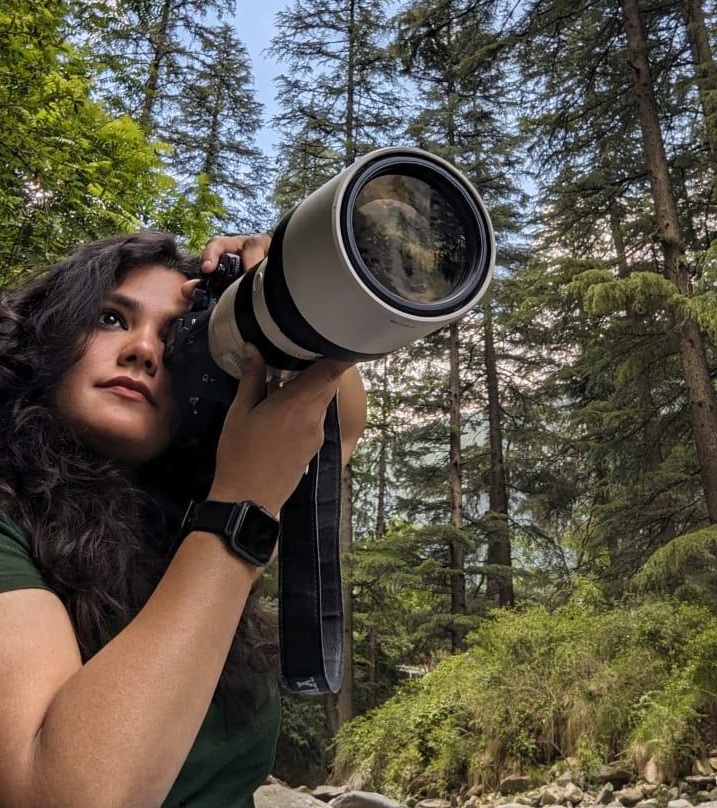
Camera Gear for Safari Wildlife Photography
If you aim to capture the perfect frame, proper planning is essential.
Here is what the experts suggest for Indian wildlife photography tours and multi-reserve itineraries.
Camera Bodies
- Bring at least two camera bodies.
- Main body – preferably a full-frame or crop-sensor DSLR/mirrorless camera with the ability to autofocus quickly.
- Backup body – Useful for quick lens exchanges or unexpected failures.
Lenses
- Telephoto Lenses: (100-400mm / 200-600mm) – Such lenses are great for tigers, leopards and birds
- Mid-range Zoom Lens: (70-200mm) – You will appreciate having this lens for vehicle movement
- Wide-angle: (24-70mm) – You will appreciate this for landscapes, fort ruins in Ranthambore, and elephants in the Jim Corbett jungle safari
Accessories
- Extra batteries- (minimum of 3 per camera body)
- High-speed SD or CF cards (128GB+)
- Lens cleaning kit and microfiber towel
- Laptop or SSD to back up pictures every day
- Lightweight Tripod- for low light and landscape work
Ethical Wildlife Pro Tip
Always try to use silent or low-shutter modes when you are close to the animals. Photography should not be intrusive – far from it; it should observe the animals without interfering – the foundation of an Ethical Tiger Safari.
Eco-Friendly and Sustainable Packing Suggestions
As part of Sustainable Wildlife Tours India, Ethical Wildlife encourages travellers to pack responsibly.
- Forego disposable plastics – bring your bamboo toothbrush and stainless-steel straws.
- Use refillable toiletries in reusable silicone containers.
- Use rechargeable batteries for your torch and camera.
- Use cloth laundry products instead of plastic liners.
- Pack lightly to reduce the amount of fuel we burn when transporting you during your transfer.
Each small action, no matter how seemingly insignificant, contributes to the reduction of impact which is a philosophy at the core of conscious wildlife travel India.
Clothing and Personal Items
Clothing should be a combination of comfort, camouflage, and respect for local culture.
Safari Clothing Checklist
- Neutral colors (olive, khaki, beige) – stay away from bright colors.
- Lightweight long-sleeved shirts and trousers – protection from the sun and bugs.
- A warm layer or fleece – mornings in Kanha tiger safari or Jim Corbett tiger safari can be cold.
- Cap/hat + neck gaiter.
- Breathable socks and sturdy closed shoes.
- Rain jacket.
- Quick-dry towel and basic toiletries.
The bottom line: Cotton for comfort, layers for flexibility, muted colors to blend in.
Travel Logistics and Smart Tools
Most likely you will be traveling to cover multiple reserves, so you will need to navigate domestic flights, car for a jeep ride, and a bumpy ride into a forest.
Travel lightweight, quick, and organized:
- Duffel bag over trolley bag: easier to place in safari vehicles.
- Packing cubes for separating camera gear from clothes from accessories.
- Portable power bank (20,000 mA) – this is essential when switching lodges.
- Universal plug adapter & surge protector.
- Digital copies of identification/permits.
Safety and Etiquette While in the Wilderness
Every guest on a guided tiger safari India contributes to the health and well-being of the park.
- Be quiet during sightings, loud sound creates unnatural animal behaviour.
- Do not reach over or stand up, in vehicles.
- Do not feed any animals, and do not litter.
- Listen to your guide’s instructions, they read tiger tracks and have a good understanding of the personality of the forest.
- Always carry all your required tiger safari safety items: mask, sanitizer, small first-aid kit, and contact information for whom to call in case of emergency.
Respect is survival, both for the forest, and your own experience.
Ethical Wildlife curates small-group, photography-led safaris in India and Africa. They specialise in tiger safaris in Bandhavgarh, snow leopard expeditions in Ladakh, and a multitude of trips that connect travellers with nature, ethically and meaningfully. Their focus is on deep experiences, guided by expert naturalists and photographers, and they hold their journeys to inspire, educate and respect nature and the wild.






 Apoorva Jadon