
Mastering Wildlife Photography Tours India
Expert Tips for Capturing Tigers Across Reserves
Tigers are one of the most sought-after wild animals to photograph while on safari. Whether you are taking a tiger safari India, a wildlife photography tour India, or a luxury tiger safari India, they are incredibly rewarding wildlife species to photograph in their natural habitats.
The art of tiger photography really is based on patience, timing, and understanding animal behavior. India’s national parks are home to legendary tiger reserves like the Ranthambore tiger safari, Kanha tiger safari, and the Bandhavgarh tiger safari. Each offers unique environments and opportunities to photograph these iconic predators. This guide will provide all the tips, settings, and techniques needed to photograph tigers, big cats, and other wildlife while on safari at multiple tiger reserve tours India. If you plan to take a wildlife photography tour India, this blog will help you capture the essence of India’s wild places through your lens.
1. Choosing The Ideal Tiger Safari Reserve
India has some of the best tiger safari India locations, each offering its own unique scenery and wildlife photography opportunities. Each area has notably different wildlife and landscape photography opportunities that photographers should understand when researching the best national parks for tigers in India. Below are a few of the top parks:
Ranthambore Tiger Safari: Renowned for its famous tiger sightings (especially at Padam Talab and Rajbagh), Ranthambore offers an opportunity to photograph tigers in different scenarios, including open grassland and old ruins. It is one of the best tiger safari India experiences for novice and experienced photographers.
Kanha Tiger Reserve Tour: A luxury tiger safari India experience that offers stunning opportunities for tiger tracking India in a rolling grassland and dense forest landscape. The early morning safaris provide an opportunity for ethereal misty photographs to catch tigers at dawn silhouetted against the sun.
Bandhavgarh Tiger Safari: Known for its high density tiger population, Bandhavgarh offers intimate experiences for photographers. With its rugged terrain and tiger safari photography settings, Bandhavgarh is ideal for capturing dramatic shots of tiger action during peak light in the morning and evening.
2. Photography Settings and Techniques
Getting the shot and technique right requires understanding the tiger safari photography settings and making the necessary changes depending on available light. And this is how you can set your camera and optimize the settings in the various tiger reserves:
Aperture Priority Mode (f/5.6–f/8): If you’re looking for sharp shots of tigers as they move, this will provide an appropriate balance of sharpness and depth of field for animal portrait work during your wildlife photography tours India.
Shutter Speed: In general, when capturing tigers in motion, you will want to set your shutter speed to 1/1000 sec. or higher to freeze those moments without motion blur if the tiger is walking or running, and this is especially useful when on tiger safari India experiences when they are moving.
ISO Settings: In dense forest environments (as we will encounter on our Panna tiger reserve tour), available light is limited and you will need to increase your ISO settings; when you increase them to around 800-1600 you can still obtain quality images in challenging light. When in the open meadows of Kanha tiger safari for example, you can lower your ISO to the 400-800 range as there is more available light during daylight hours and also get sharp, clean images.
Continuous Focus Mode (AI Servo): You will want to set your camera to continuous autofocus mode when you see a tiger moving, so that you can track their movement and not lose focus. This is necessary when photographing tigers as they are always moving across the terrain of your wildlife safari packages India.
3. Top Time for Safari Tiger Photography
All photographers know the most important part of capturing tigers is timing. The best times to photograph tigers is during the “golden hours”, or early morning and late afternoon, when the light is softer and tigers are more active.
Morning (5:30 AM – 9:00 AM): In the early morning, the tigers are generally more active and are likely to come out of the cover of the forests to enjoy the morning sun with the softer morning light and the shadows created.
Evening (4:00 PM – 6:00 PM): Late afternoon is the prime time for photographing tigers while they are active and moving in and out of the shadows. In the evening, you have the benefit of warm light, which can provide a rich, golden tone to your photograph while capturing the beauty of the landscape and majestic presence of a tiger.
If you are on a guided wildlife photography tour, these will be the time frames your guide will likely take you to the best potential tiger sightings, as they know your camera will be ready for the perfect tiger photograph.
4. The Influence of Behavior and Habitat
A good photograph conveys an emotional story, and the most striking images of a tiger will certainly reflect the behavior and habitat of the tiger. Even with the definition of tiger safari photography in a defined habitat, photographers should gain an understanding of tiger behavior to capture and anticipate the perfect moment for the photograph:
Tigers on Water: At certain parks such as the Tadoba tiger safari packages, you should also photograph tigers near waterholes. You can capture tigers reflected in the water if you time your safari at the optimum time – early morning light or evening light when the sun reflects off the water. A combination of the two could produce compelling tigers photographed near water.
Tigers in the Wild: At reserves such as Bandhavgarh tiger safari you are more likely to be in an area where it is possible to pick up an image of a tiger walking either down a forest path, or in tall grass. Always look to capture the tiger depicted in movement while utilizing a faster shutter speed, and be prepared for the spontaneous!
Close-up Tiger Shots: Trying to capture images of just full body shots of tigers is fine, but as you enjoy the safari and observe the tiger, don’t forget to stretch yourself a little to shoot close-up intimate shots of either their eyes, ears or paws to capture feelings of primal emotion and power in the tiger. In luxury tiger safari India reserves like Kanha, you may have unique opportunities to get close-up intimate shots!
Ethical Wildlife Photography
It’s essential to photograph wildlife ethically when participating in responsible tiger tours in India. Respect the wildlife and their habitat and do not block or chase the tigers. Keep your distance from the tigers and do not use flash photography. In addition:
Respect tiger reserve rules and never do anything that would disturb wildlife or their natural environment.
Select reliable operators in India for animal tourism that will positively impact the community or someplace they are working and that have a commitment to sustainability to minimize their impact to create a true wildlife experience.
Getting Prepared for Your Wildlife Photography Tour
Before you start your wildlife tours in India safari in the field, you may want to revisit your packing list of gear for safari. The following checklist is useful for photographers on their trip out to the wild:
Camera gear: One DSLR or mirrorless with a telephoto lens (100-400mm), wide-angle lens (24-70 mm), and tripod/beanbag.
Camera accessories: additional batteries, memory cards, and lens cleaning kits.
Clothing: neutral colored clothing to blend into the area.
Sample list of other items: binoculars and waterproof gear and sunscreen and insect repellent and a hat.
Ethical Wildlife curates small-group, photography-led safaris in India and Africa. They specialise in tiger safaris in Bandhavgarh, snow leopard expeditions in Ladakh, and a multitude of trips that connect travellers with nature, ethically and meaningfully. Their focus is on deep experiences, guided by expert naturalists and photographers, and they hold their journeys to inspire, educate and respect nature and the wild.
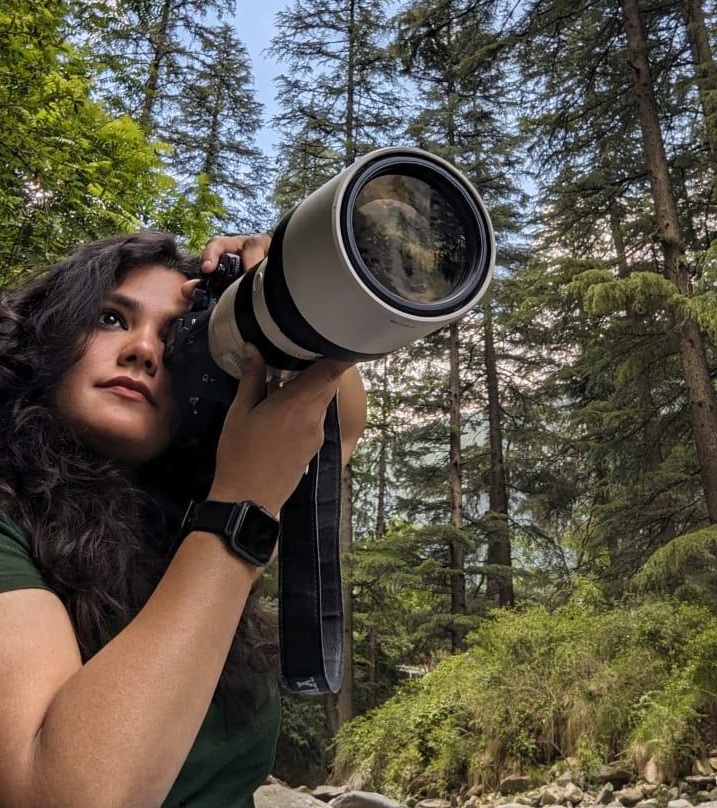





 Apoorva Jadon