
Life Beneath the Canopy
Hidden Wildlife You’ll See on a Luxury Jungle Tour in India
When a traveller envisions a jungle safari in India, the mental picture that forms is likely of tigers, leopards, elephants, and sloth bears. Still, the heart of the forest is considerably deeper in the silent wing beat of a butterfly, the golden glow of a civet’s eyes at dusk, the soft, lazy calls of owls in a sal forest, and the jewel-like glare of frogs hidden beneath a blanket of fallen leaves.
Luxury wildlife tours India are increasingly embracing a deeper, slower, and more meaningful approach to experiencing nature, rather than pursuing interstitial checklists and looking for the intricate web of life that connects and sustains the forest.
This blog will take you beneath the canopy to a world that most guests never see; a world every nature enthusiast has a right to experience.
The True Luxury of Wildlife Tours India
Luxury wildlife tours India are no longer all about very nice lodges, gourmet food, and private jeeps. Those are all important, mind you, but the true luxury is access to expert naturalists, ethical safari conduct, quieter zones, and guided walks that open your eyes to life beyond the tiger.
Tour participants often refer to their journey as transformational, as they start to learn the jungle is not simply defined by its predators, but instead is more a story about balance. You recognise this balance when you slow down and observe.
Whether on the banks of the river in Pench or deep in the sal forests of Kanha, irrespective of your experience, this form of tourism opens a miniature kingdom to view, which most visitors to the region rarely see.
Pench Jungle Safari India: Where the Miniature Forest Comes Alive
A Pench jungle safari India is one of the best places to see the hidden life of small mammals, insects, and birds. Pench is well known for being the inspiration of Rudyard Kipling’s The Jungle Book, however, the lesser-known residents of the forest are just as captivating.
If you look closely in Pench, you’ll see:
- Malabar pied hornbills darting between ghost trees
- Bark geckos perfectly camouflaged to tree trunks
- Tree frogs with a stunning iridescent green after a monsoon burst
- Giant wood spiders spinning their golden webs across the forest trail
- Night safari’s watching civets, porcupines, and mouse deer
Luxury wildlife tours India frequently add a walking trail nearby Pench’s buffer zones, so you can see these delicate species even more closely.
Kanha Tiger Reserve Excursion: India's Most Harmonious Ecosystem
A Kanha tiger reserve safari provides an experience of rich biodiversity in a world-class destination for nature lovers. The unspoiled grasslands, dense sal forests, and riverine grasslands of Kanha support a remarkable variety of micro-fauna.
While moving slowly on safari you will start to notice:
- Scarlet minivets flickering like embers in the green leaves,
- Nightjars nesting on forest tracks, perfectly camouflaged,
- Jewel beetles sparkling in the early sun,
- Bamboo pit vipers relaxing in coils, grinning on mossy branches,
- Bark scorpions radiating turquoise under UV light.
Kanha is proof that if you pay attention, the forest continues to offer endless stories.
What Animals Can You See in Indian Safaris (besides the BIG CATS)?
Travellers frequently ask:
“What animals can you see in Indian safaris apart from tigers?”
The answer is: so much more than you can conceive.
Here are some of the remarkable species you may see on a luxury wildlife tour in India:
- Civets,
- Owls (brown fish owl, jungle owlet, mottled wood owl),
- Indian giant squirrels,
- Tree frogs,
- Barking deer,
- Monitor lizards,
- Butterflies including the blue mormon, common nawab and common leopard,
- Porcupines,
- Pangolins (rare, but possibly).
Once you start to notice the “small magic”, safaris become massively more rewarding.
Why Slowing Down Helps Reveal the Real Magic of the Jungle
Most travelers come with the hope of seeing a tiger, and they should, but something shifts within when you let go of that expectation.
In the moments you stop:
- You hear the delicately soft tapping sound of a woodpecker
- You notice the patterns of bark on trees
- You catch the scent of damp earth as a herd of chital passes by
- Upscale wildlife adventures in India are based around three very simple principles — time, silence and an expert guide – all are needed to gain real understanding of a forest.
Wildlife Traveller Tips For Enjoying Smaller Wonders:
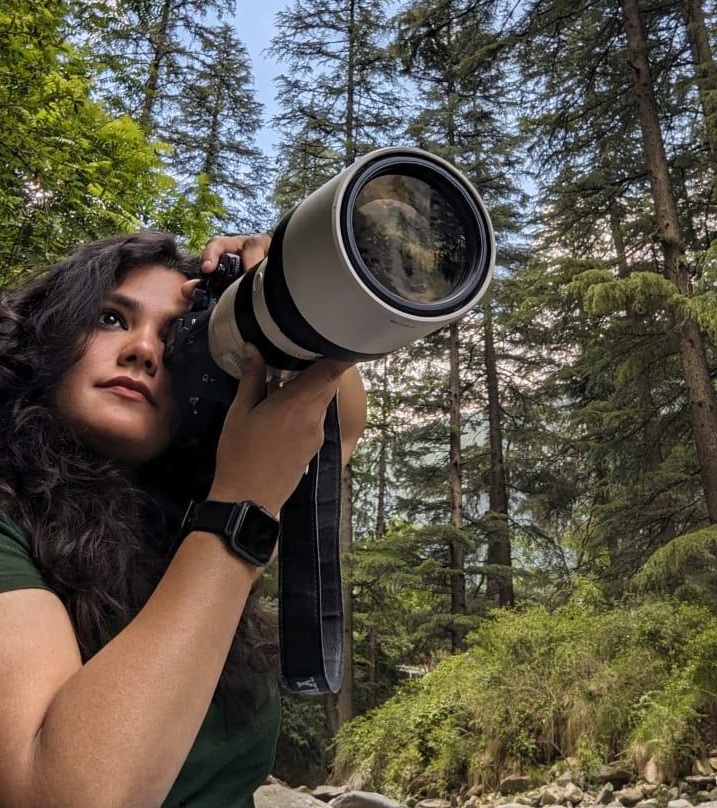
- Carry a macro lens clubbed with your camera
- Spend at least one safari sitting quietly at a waterhole
- Spend a short time in the forest with a naturalist
- Choose parks where there is high biodiversity (i.e. Kanha, Pench, Periyar)
- Every wildlife traveller must TRY at least one night safari
- Wear neutral colours and walk slowly
- Ask your guide to call out birds based only on a call
- These are all small habits that will pay big dividends.
How Ethical Tourism Protects The Hidden Inhabitants
- Behaving responsibly is part of the survival of many of these smaller species. Ethical tourism operators will ensure to never:
- Drive off route
- Disturb nocturnal creatures
- Use playback or imitator sounds
- Touch or interact with reptiles of insects
- Support local conservation initiatives
- Luxury wildlife tours India that operate in this ethical manner give back more than they take from profits.
Wildlife Traveller Tips For Enjoying Smaller Wonders:
- Carry a macro lens clubbed with your camera
- Spend at least one safari sitting quietly at a waterhole
- Spend a short time in the forest with a naturalist
- Choose parks where there is high biodiversity (i.e. Kanha, Pench, Periyar)
- Every wildlife traveller must TRY at least one night safari
- Wear neutral colours and walk slowly
- Ask your guide to call out birds based only on a call
- These are all small habits that will pay big dividends.
How Ethical Tourism Protects The Hidden Inhabitants
- Behaving responsibly is part of the survival of many of these smaller species. Ethical tourism operators will ensure to never:
- Drive off route
- Disturb nocturnal creatures
- Use playback or imitator sounds
- Touch or interact with reptiles of insects
- Support local conservation initiatives
- Luxury wildlife tours India that operate in this ethical manner give back more than they take from profits.
The Tiny Builders of the Forest, Insects, frogs, and butterflies.
While insects are minuscule, they rule the jungle.
Some travellers on luxury wildlife tours India believe that their most memorable sightings haven’t been tigers at all but:
- The courtship dance of butterflies, in a sunny clearing
- A marching band of weaver ants building a leaf nest
- A bullfrog puffing up like a heartbeat before the monsoon
- Jewel-like dragonflies patrolling the edges of shallow ponds
- This world is tenuous, momentary and bursting with colour — a paradise for photographers.
- The Night Belongs to Them- Owls, Civets & Nocturnal Wonders
- When the sun goes down the forest belongs to the unseen.
You might witness this wonder while on a night drive near Pench or Kanha:
- Palm civets with nimble grace running arboreally in fruiting trees.
- A jungle cat slinking across a grassy flat or mountain.
- Owls languidly calling from their perch on a teak branch.
- A porcupine waddling by like an armored ghost.
- Flying squirrels gliding between trees.
On a night safari type experience with a luxury wildlife tours India this is often the only way to even catch a glimpse of this side of the ecosystem.
FAQs
1. Which parks are the premiere luxury wildlife tours India?
Kanha, Pench, Tadoba and Kabini all have luxury accommodations with diverse wildlife.
2. How many animals can you see in safaris in India other than tigers?
You might expect to see owls, civets, frogs, deer, reptiles, butterflies, and 300+ bird species.
3. Is Pench jungle safari India good for first-time travellers?
Yes, it has a better terrain, better sightings, and very good naturalists.
4.What is special about touring the Kanha tiger reserve?
Its stable eco-system, amazing landscapes, and vast diversity of micro-fauna.
5. Are luxury wildlife tours worth it?
Definitely. You will receive great guides, better curated experiences, quieter zones, and greater in-depth learning.
Conclusion – The Forest Is More Than Just Tigers
You will notice that when you return from a safari, that the most memorable moments, that hold the most meaning may not be about a tiger sighting after all. Sometimes your most treasured sightings may have been:
The first butterfly that landed on your jeep
The civet eyes shining back at you as you shine your torchlight.
You catch the scent of damp earth as a herd of chital passes by
Upscale wildlife adventures in India are based around three very simple principles — time, silence and an expert guide – all are needed to gain real understanding of a forest
Ethical Wildlife curates small-group, photography-led safaris in India and Africa. They specialise in tiger safaris in Bandhavgarh, snow leopard expeditions in Ladakh, and a multitude of trips that connect travellers with nature, ethically and meaningfully. Their focus is on deep experiences, guided by expert naturalists and photographers, and they hold their journeys to inspire, educate and respect nature and the wild.






 Apoorva Jadon