
Pench Tiger Reserve
Walk into the forest that gave the world Mowgli: teak country, tigers, and the original Jungle Book landscape.
Safari Timings
Winter (October to February)
- Morning safari: 6:30 AM to 11:00 AM
- Evening safari: 3:00 PM to 5:30 PM
Summer (March to June)
- Morning safari: 5:30 AM to 10:00 AM
- Evening safari: 3:30 PM to 7:00 PM
Timings vary slightly with the season. Pench also sits a comfortable drive from both Kanha and Tadoba, making it a natural middle chapter in a central India circuit.
Pench Tiger Safari:
Straddling Madhya Pradesh and Maharashtra, Pench takes its name from the river that winds through its heart. This is the forest of the Seoni hills, the landscape where Rudyard Kipling set The Jungle Book, and driving through it you understand why: teak forest rolling over low ridges, flat grasslands, seasonal streams, and the kind of light that makes a story feel possible.
The reserve covers 758 sq. km. of prime tiger country. Its open, undulating terrain and sparse undergrowth make wildlife unusually visible, especially through the summer months when the forest thins and everything moves toward water.
Flora:
Tropical deciduous forest defines Pench, cut through by the broad sweep of the river. Teak dominates, joined by tendu, mahua, saja and bija. Come spring, the palash and semal trees catch fire with bloom, and whole hillsides turn red. Locals call the palash the flame of the forest, and in March, Pench shows you why.
Fauna:
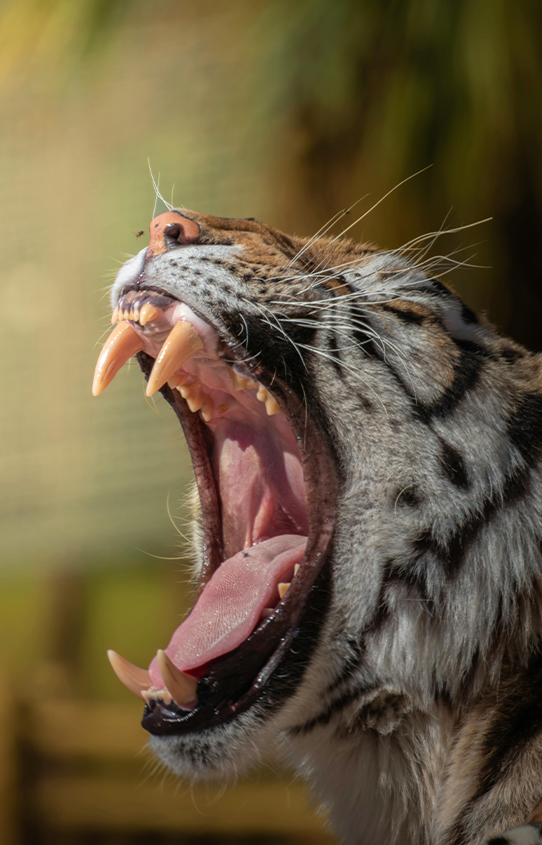
Pench holds a stable, healthy tiger population, alongside leopards, gaur, dholes, hyenas, jackals and jungle cats. Spotted deer, sambar and nilgai move through the grasslands in some of the largest herds in central India, with sloth bears and porcupines turning up often on the quieter trails. Kipling drew his entire cast from these forests: Baloo, Bagheera, Sher Khan and the dhol packs all still live here, just without the dialogue.
Birdlife:
With over 250 recorded species, Pench keeps birders busy between big cat sightings. Indian rollers flash turquoise across the meadows, racket-tailed drongos mimic half the forest, and crested serpent eagles, peafowl and a healthy population of owls hold the canopy, with waterbirds working the river year-round.
The Safari:
Pench offers something most tiger reserves cannot: the chance to leave the vehicle behind. Beyond the classic jeep drives, the buffer zones open up eco-trails and guided forest walks led by trained local naturalists, and the forest changes completely at walking pace. You notice the tracks, the scent marks, the alarm calls as language rather than soundtrack. For small group wildlife tours in India, this combination of drives and walks makes Pench the most intimate classroom in the central Indian circuit, and the gentlest introduction for first-time safari travellers wondering what to pack for a tiger safari and how it all actually works.
Destination Map
What to do
Jeep Safaris
Go on a jeep safari in the core areas of the forest such as Turia, Karmajhiri, and Jamtara, with expert naturalists, either in the morning or the evening.
Pottery and Village Walks
Explore local communities to experience how forest communities live, their traditional ways of craftsmanship as well as their connection to nature.



 Apoorva Jadon