
Best National Parks for Tigers in IndiaWhich Landscape Suits You Best?
India is one of the best places in the world to see tigers in the wild. But once you decide you want to plan a safari here, the next question arrives almost immediately: which park should you choose?
That sounds like a simple question, but it rarely has a one-size-fits-all answer.
The best tiger reserve in India depends a lot on the kind of experience you want. Some parks are known for strong tiger focus. Some are loved for their beauty and atmosphere. Some suit photographers especially well. Others make more sense for first-time travelers or for people combining wildlife with a broader India trip.
That is why it helps to think beyond the tiger alone.
The landscape matters more than many people expect. It shapes the mood of the safari, the way sightings unfold, the kind of photographs you are likely to make, and the overall feeling you take away from the trip. A tiger in one habitat can feel like a completely different experience from a tiger in another.
So if you are trying to choose between India’s best tiger parks, it helps to ask a slightly better question: which landscape suits you best?
Why the landscape matters so much
A lot of travelers begin by choosing the park with the strongest reputation, which is understandable. But tiger safaris are about much more than booking the most famous reserve.
The landscape changes everything.
It affects how the safari feels from the moment you enter the forest. It affects how animals are seen, how easy it is to follow movement, how the light works for photography, how dramatic or subtle the experience feels, and how immersive the overall journey becomes.
A tiger crossing a dry track in Ranthambore feels different from a tiger moving through the soft meadows and sal forest of Kanha. A tiger in Tadoba may feel more immediate and raw. A tiger in Corbett can feel like part of a much larger, wilder landscape.
The tiger may be the reason people come, but the habitat shapes how the memory stays with them.
Bandhavgarh: best if you want intensity and strong tiger focus
Bandhavgarh is one of the most famous tiger reserves in India, and for many travelers it remains one of the most exciting places to begin.
The reserve has a strong tiger reputation, but what really defines it is the feeling of concentration and intensity. The landscape of forested valleys, hills, meadows, and tighter terrain can make the experience feel dramatic and highly charged. When people imagine the thrill of a classic tiger safari in India, Bandhavgarh is often close to what they have in mind.
It is especially appealing for first-time visitors whose main priority is that deep sense of being in serious tiger country.
Bandhavgarh usually suits travelers who want a strong tiger-driven experience, a safari with emotional intensity, and a reserve whose reputation is built around big-cat excitement.
Kanha: best for beauty, atmosphere, and a more rounded forest experience
Kanha has a very different feel.
For many travelers, it is one of the most beautiful safari landscapes in India. The meadows, sal forest, bamboo, and wide natural spaces give it a quieter, more expansive kind of presence. Even when sightings are slow, Kanha still feels deeply rewarding because the landscape itself is such a big part of the experience.
That is one of its great strengths.
Kanha is often a very good fit for travelers who want more than just the thrill of a single predator. It offers a richer sense of place, beautiful forest atmosphere, and a more rounded wildlife experience overall.
For photographers, it can be especially appealing because the habitat often lends itself to mood, softness, and environmental context rather than only close-up drama.
Ranthambore: best for iconic scenery and dramatic visual character
Ranthambore is probably one of the most visually distinctive tiger reserves in India.
The dry deciduous forest, lakes, rocky ground, ancient ruins, and famous fort give it a sense of drama that feels instantly recognizable. It is one of those places where the setting becomes part of the story in a very obvious way. Even people who know little about tiger reserves often respond to the imagery of Ranthambore.
That is a big part of its appeal.
It also works well for travelers who want to combine wildlife with a wider northern India itinerary, since it is easier to integrate than some of the central Indian reserves.
If you are drawn to safari landscapes that feel cinematic, bold, and visually iconic, Ranthambore is often a very strong choice.
Tadoba: best for serious wildlife focus and a more rugged feel
Tadoba has become increasingly popular with serious safari travelers, and it is easy to understand why.
The reserve has a more rugged, dry, and direct kind of energy. It may not have the soft scenic beauty of Kanha or the architectural drama of Ranthambore, but it offers a safari experience that feels raw, immediate, and strongly wildlife-driven. Many seasoned travelers are drawn to it for exactly that reason.
Tadoba often appeals to people who are especially focused on tigers and who want a reserve with a strong modern reputation among wildlife enthusiasts and photographers.
If what you want is a safari that feels less polished and more intense in a purely wildlife sense, Tadoba can be an excellent fit.
Pench: best for a quieter and more balanced safari rhythm
Pench tends to appeal to people who enjoy a slightly gentler rhythm.
It may not dominate the conversation in the same way as some of the bigger-name tiger reserves, but that is partly what makes it attractive. The forest can feel graceful and open, and the overall experience often has a more relaxed quality to it. For travelers who want a rewarding safari without every moment feeling charged by expectation, Pench can be very satisfying.
It also works especially well as part of a multi-park itinerary.
Pench is often a good choice for people who enjoy the wider wildlife experience, not just the headline species, and for those who want a complementary park alongside one of the stronger tiger-focused reserves.
Corbett: best for wildness and unpredictability
Jim Corbett National Park offers a different kind of safari mood from many of the central Indian parks.
Its riverine belts, forests, hills, and larger-scale terrain create a landscape that often feels wilder and less easily “read.” The experience can be less concentrated, less predictable, and more expansive in character. For some travelers, that makes it harder. For others, it is exactly what makes the park so appealing.
Corbett often feels less like a tightly structured safari experience and more like a large living ecosystem where the tiger is part of a much bigger story.
It tends to suit repeat travelers, people who enjoy atmosphere and wildness, and those who do not mind a safari that rewards patience rather than immediate payoff.
Which park is best for first-time tiger safari travelers?
strong tiger potential and a satisfying overall experience.
For many first-time visitors, Bandhavgarh, Kanha, and Ranthambore are among the strongest options.
Bandhavgarh is often the answer if tiger focus is your biggest priority. Kanha works beautifully if you want a more atmospheric, balanced forest safari. Ranthambore can be especially attractive if you want strong visual drama and a park that fits more easily into a broader India trip.
A first safari should feel exciting, but it should also remain rewarding even in the quieter stretches between sightings.
Which park is best for photographers?
That depends on the kind of images you want to make.
Ranthambore is often excellent for dramatic compositions and strong visual storytelling. Kanha can be beautiful for atmosphere, softer forest mood, and environmental context. Bandhavgarh offers intensity and big-cat anticipation. Tadoba often suits photographers who want a more direct, wildlife-first experience.
The best photography reserve is not always the one with the biggest reputation. It is usually the one whose habitat fits your visual style.
That is an important distinction.
Which park works best for a luxury safari?
If you are looking at a more premium safari, the answer is usually not just about wildlife potential. It is about how the reserve, the lodges, and the overall pace come together.
Kanha and Ranthambore often work especially well for luxury travelers because they combine strong safari appeal with a memorable sense of place. Bandhavgarh can also be a very strong choice for those who want a more tiger-driven premium experience.
In practice, the better question is not simply which park is best for luxury. It is which park fits the style of premium experience you actually want.
One park or two?
If time allows, combining two parks can be one of the most rewarding ways to experience tiger safari in India.
It gives you more variety in habitat, a broader understanding of tiger landscapes, and more photographic contrast. For example, Bandhavgarh and Kanha create a very appealing contrast between intensity and atmosphere. Kanha and Pench can make for a more rounded forest-based safari. Ranthambore can pair well with another reserve if you want both iconic visual drama and a deeper central Indian experience.
But if your schedule is short, one well-chosen park with enough time is usually better than trying to fit in too much.
How to decide which landscape suits you best
A simple way to decide is to think less about rankings and more about the kind of safari feeling you want.
If you want strong tiger focus and drama, Bandhavgarh is often a natural fit. If you want beauty and forest atmosphere, Kanha stands out. If you want iconic scenery and strong visual storytelling, Ranthambore makes sense. If you want a rugged, wildlife-first feel, Tadoba is a very good option. If you want a quieter and more balanced forest experience, Pench works well. And if you are drawn to wildness and unpredictability, Corbett may suit you best.
None of these parks is right for everyone.
The best one is the one that matches your expectations, your pace, and the kind of wildlife experience you want to remember.
Conclusion
The best national parks for tigers in India are not defined only by reputation or by sighting history.
They are defined by how they make you experience the wild.
Some reserves feel intense and tiger-driven. Some feel spacious and atmospheric. Some are dramatic and cinematic. Others are quieter, more layered, and more rewarding over time. Choosing the right park is really about choosing the landscape that suits you best.
That is what turns a safari from a simple trip into a deeply memorable one.
In India, the tiger is unforgettable. But so is the world it lives in.
Ethical Wildlife curates small-group, photography-led safaris in India and Africa. They specialise in tiger safaris in Bandhavgarh, snow leopard expeditions in Ladakh, and a multitude of trips that connect travellers with nature, ethically and meaningfully. Their focus is on deep experiences, guided by expert naturalists and photographers, and they hold their journeys to inspire, educate and respect nature and the wild.





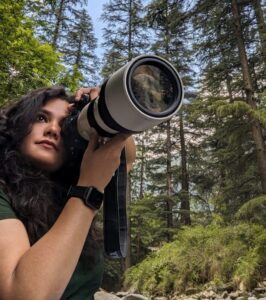 Apoorva Jadon