
What Do Wildlife Safari Packages in India Include?
7 Things to Check Before You Book
Most travellers assume a safari package is a safari package, a jeep, a guide, a few drives, and a lodge to sleep in between. Then they actually compare a handful of wildlife safari packages India has to offer and discover the differences run far deeper than price.
Vehicle capacity, guide continuity, what’s actually included in the permit cost, whether a photographer is part of the experience or an expensive add-on, all of it varies enormously between operators, and most of it never gets spelled out clearly until after you’ve paid.
Here are seven things worth checking before you book, including the one detail almost nobody thinks to ask about until they’re already sitting in a crowded jeep wondering who the fourth person in the back actually is.
How many guests actually share your vehicle?
This is the single biggest variable between wildlife safari packages in India travellers come across, and the one that shapes the entire on-ground experience more than almost anything else. Some operators fill vehicles with 6, 7, or even more guests to maximise permit value, which means less room to move, competing sightlines during a sighting, and considerably less flexibility to shift position when something worth photographing appears on one side of the jeep.
We cap every vehicle at four guests, deliberately, because a crowded jeep changes everything about how a sighting actually feels. Before booking anywhere, ask directly how many guests will be in your vehicle. If the answer is vague, that’s usually a sign the number isn’t fixed.
Does the package tell you who your fourth seat actually goes to?
Here’s the detail most travellers never think to ask about: many companies offering small group wildlife tours in India will cap guest numbers at four, but don’t mention that a fifth seat in the vehicle is often taken up by a driver’s assistant, a spotter, or in some cases simply left for a local guide picked up along the way. That’s not necessarily a problem, but it does mean the vehicle isn’t as spacious as the guest count alone suggests.
In our vehicles, that additional seat belongs to a trained, in-house photographer travelling alongside guests on every drive, not a passenger added on for logistics. It’s worth asking any operator directly who fills that seat, since the answer tells you a lot about whether photography is actually built into the experience or bolted on as an afterthought.
Are permits and park fees included, or added later?
Wildlife safari packages in India vary considerably in how transparently they price permits, park entry fees, and camera charges. Some operators quote a low headline price and add these costs separately once you’re already committed, which can turn what looked like a reasonably priced trip into something considerably more expensive by the time all the line items are added up.
A properly built package should list permits, zone fees, and any camera or equipment charges upfront, not as a surprise addition closer to the trip. We build these into the quoted price from the start specifically so guests know the real cost before committing, rather than discovering it drive by drive.
Is the guide and driver team consistent across your entire stay?
Guide and driver continuity matters more than most first-time travellers expect. A guide who’s been with you since your first drive has already learned your interests, your pace, and what you’re hoping to see, and can adjust the following drives accordingly. A rotating cast of guides and drivers across a multi-day stay means starting that relationship over each morning, which costs real time and often real sightings.
This is one of the clearer signs of quality when comparing operators offering guided tiger safari in India experiences. We keep the same vetted guide and driver team with guests for the full length of their stay, precisely because that continuity tends to produce noticeably better outcomes than a package that treats each drive as a separate, disconnected booking.
Does the package promise sightings, or does it promise the conditions for one?
This is worth reading carefully in any operator’s marketing.No honest provider of wildlife safari packages in India can actually guarantee a tiger sighting, since wildlife behaviour is never something a booking can control. What a good package can guarantee is the conditions that make a strong sighting more likely, a small vehicle, an experienced guide who reads alarm calls properly, enough drives to give the odds room to work, and permits secured in the zones with the strongest recent activity.
We’re deliberately careful not to promise sightings in our own marketing, and we’d encourage any traveller to be wary of an operator who does. What we do promise is that every sighting our guests get is tracked and earned through genuine guide skill, never staged or manufactured to guarantee a result.
Is private tiger safari India booking actually private, or shared with strangers?
Some operators advertise what they call a private tiger safari India trip, but on closer inspection, the vehicle is still shared with guests from a different booking entirely, simply grouped together to fill the permit. This isn’t necessarily disclosed clearly upfront, and travellers sometimes only discover it once they arrive and find themselves seated alongside people they’ve never met, on an itinerary they didn’t plan.
A genuinely private booking means your vehicle, your pace, and your itinerary decisions belong entirely to your own group, not shared or adjusted around another party’s preferences. This is worth confirming explicitly before booking, since the word private gets used fairly loosely across the industry.
What happens if a drive is cancelled or a sighting doesn't materialise?
Weather, permit issues, and park closures can all disrupt a planned drive, and how an operator handles that disruption says a lot about the overall quality of the package. Some operators simply absorb the cancelled drive into the schedule with no adjustment at all, leaving guests short on actual safari time despite having paid for a fixed number of drives.
A properly structured package should account for this possibility, whether through flexible rescheduling or a clear policy communicated before booking rather than negotiated awkwardly on the ground. Asking about this scenario directly, before committing, avoids an unpleasant surprise partway through the trip.
Does the itinerary build in enough drives to actually give you a fair shot?
Beyond vehicle size and guide continuity, the sheer number of drives included matters enormously for sighting odds. A package built around a single rushed day leaves far more to chance than one built around four to six drives across two to three days, regardless of how strong the reserve’s tiger density is on paper.
We rarely recommend single-day itineraries to guests who genuinely care about their sighting odds, precisely because the math simply favours more drives over a shorter, more compressed schedule. This is worth checking explicitly in any wildlife safari packages in India comparison you’re making, since drive count is often buried lower in the itinerary than price or accommodation details.
How much of the package is actually spent inside the reserve?
A surprising amount of a safari trip’s total cost can go toward transfers, non-safari activities, and buffer days that have nothing to do with actual wildlife time, and a poorly built itinerary can quietly bury this in a longer-sounding trip that feels more generous on paper than it is in practice. Two packages priced identically can offer wildly different amounts of actual drive time once transfers and rest days are stripped out.
We build our itineraries around maximising genuine safari time within whatever number of days a guest chooses, rather than padding the schedule with filler days that look good on an itinerary but add little to the actual experience. Asking any operator directly how many hours of the total trip are spent inside the reserve, versus travelling to and from it, is a useful way to compare packages on substance rather than just day count.
A few packing details that matter more than people expect
Beyond the obvious down jackets and thermal layers, a handful of specifics make a real difference here. Insulated, waterproof boots rated for genuinely low temperatures beat general trekking footwear, since standing still at a vantage point exposes your feet to cold in a way constant walking never does. Hand and toe warmers are worth carrying by the handful rather than a token pack or two, given how many hours are spent not moving. And a pair of gloves that still lets you operate a camera or adjust a scope is worth choosing over something bulkier that trades away dexterity for warmth.
None of this replaces real cold-weather trekking gear, but skimping on the small stuff tends to catch up with people fast on a trip where most of the day is spent motionless in the cold, waiting for exactly the kind of movement across a distant ridge that makes the whole thing worthwhile.
Does the operator disclose how sightings are actually found?
Some operators lean heavily on radio coordination between vehicles, essentially chasing whatever another jeep has already spotted, rather than developing the independent tracking skill to find activity firsthand. This isn’t inherently dishonest, but it does mean the experience depends heavily on how many other vehicles happen to be in the park that day, and how willing your own guide is to simply wait for someone else’s find.
We train our guides specifically to read alarm calls, track fresh signs, and build an independent picture of where activity is likely, rather than relying primarily on shared radio reports. It’s a subtle difference that’s hard to spot from a brochure, but it shows up clearly in how a drive actually unfolds once you’re out there.
What should you do with all of this before signing off on a booking?
Rather than comparing wildlife safari packages in India options purely on the headline price, run each one through these seven questions directly with the operator: vehicle capacity, who fills any extra seat, whether permits and fees are included upfront, guide and driver continuity, how sightings are actually described and found, whether private really means private, and how many genuine drives are built into the schedule. An operator willing to answer all seven clearly and specifically is generally one worth booking with.
Why we walk every guest through these seven points before booking
We’d rather a guest ask every one of these questions upfront than discover the answers on the ground, halfway through a trip they’ve already paid for. That’s genuinely why we spell out vehicle capacity, guide continuity, permit transparency, and honest sighting expectations as part of every conversation before a booking is confirmed, not as fine print buried somewhere in a longer itinerary document. A guest who understands exactly what they’re getting tends to enjoy the actual trip considerably more than one who’s left comparing brochures after the fact and wondering why the experience didn’t match what they expected.
FAQs
Q – How many guests are typically in a safari vehicle?
Ans – This varies significantly by operator, ranging from four guests up to seven or more in some shared packages, so it’s worth confirming this number directly before booking.
Q – Is a photographer usually included in wildlife safari packages?
Ans – Not always. Some operators offer this as a paid add-on, while others, including us, include a trained photographer in every vehicle as standard.
Q – Are permits and park fees usually included in the package price?
Ans – This varies by operator. Always confirm whether permits, zone fees, and camera charges are included upfront or added separately.
Q – What does a truly private tiger safari actually mean?
Ans – It should mean your vehicle, pace, and itinerary belong entirely to your own group, without being shared with guests from a separate, unrelated booking.
Q – How many drives should a good safari package include?
Ans – Generally four to six drives across two to three days gives a realistic chance at a strong sighting, considerably more than a single rushed day.
Conclusion
Comparing what different operators offer as wildlife safari packages in India on price alone misses most of what actually determines whether a trip feels rewarding or frustrating. Vehicle capacity, who fills that extra seat, permit transparency, guide continuity, honest expectations around sightings, genuine privacy, and enough drives to give the odds a fair chance all matter more than the headline number on a quote. Ask these seven questions before booking anywhere, and you’ll know considerably more about what you’re actually paying for than most travellers do before their trip even begins.
What this looks like across a full trip, not just one drive
It’s worth thinking about all seven of these factors together across the length of an entire stay, not just on a single drive. A small vehicle on day one means little if the group grows on day three. A transparent permit quote at booking means less if camera charges appear unexpectedly halfway through the trip. Consistency across the full itinerary, the same guide, the same vehicle cap, the same clearly stated inclusions from the first day to the last, is what actually separates a well-run wildlife safari package in India experience from one that simply reads well in the initial pitch.
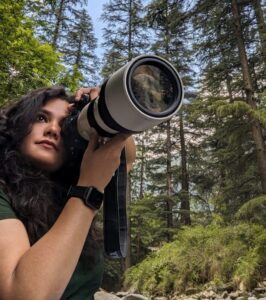
Ethical Wildlife curates small-group, photography-led safaris in India and Africa. They specialise in tiger safaris in Bandhavgarh, snow leopard expeditions in Ladakh, and a multitude of trips that connect travellers with nature, ethically and meaningfully. Their focus is on deep experiences, guided by expert naturalists and photographers, and they hold their journeys to inspire, educate and respect nature and the wild.



 Apoorva Jadon