
What to Pack?
The India Tiger Safari
The question we are most often asked is the simplest to answer: how should I pack for my tiger safari in India, particularly if you have never been on a trip like this before?
This is an important question because safari days’ work a little differently from normal holidays. You tend to be up before the crack of dawn. It can get chilly at night, and mornings can be unexpectedly cold, while afternoons can warm up. Many roads within many motorhome parks can be dusty. With long drives, open vehicles and hours out in the woods, what you wear suddenly starts to matter more than most people expect.
The good news is that packing for a tiger safari becomes simple if you follow the rules. You should not need an entirely new safari wardrobe, and you surely do not need to over-pack. Some simple changes can have a huge impact on your comfort and fit in the field.
This is a definitive guide to everything you will need during a tiger safari in India, be it clothing and shoes, camera equipment, personal items, as well as those little things first-timers tend to forget.
Dress for the woods, not photos
Bright colours, heavy perfume and clothes are mostly chosen for fashion during safari time.
The goal is to be comfortable and utilitarian, set within a more subdued landscape. Neutral tones work best, such as olive, brown, beige, khaki, and muted green-grey. Not so harsh in the forest, and more reasonable than stronger reds, neon colours, or pure white.
Now, that does not mean you have to go out and buy safari outfits costing thousands of dollars. As long as clothes are light, breathable, and comfortable enough for hours in the back of an open vehicle on a daily basis, most people make do travelling in their everyday clothes.
In the last post, we discussed Layers and how important they are, more than people think.
A common packing pitfall is assuming the weather will remain constant all day.
So even in the midst of many tiger safaris in India, especially those bunched together in central India, early mornings can often seem deceptively cool. Next, as the sun crests a few hours later, you are blowing off layers.
This is why layers are such a good way to dress.
On most safari days, a comfortable T-shirt or base layer, a long-sleeve shirt and a fleece or light jacket should suffice. Especially from November through February, you will be grateful for something that is actually warm on the first drive of the morning.
At places like Bandhavgarh, Kanha, Pench and Ranthambore, early mornings can be very cold in an open jeep.
Long sleeves (and full-length trousers if possible) are usually the safest bet
Even in warm weather, you may find it more comfortable to cover up a little while on safari.
Long sleeves and trousers help with dust, the pre-sunrise chill wind, sun exposure, and an occasional insect. No heavy or technical gear needed! Usually, lightweight cotton travel fabrics or other breathable fabrics.
It is really about nothing more than comfort. Spending several hours in the vehicle is a source of great discomfort; however, most people prefer to be partially shaded rather than in direct sunlight and dust.
You do not need heavy boots
Some first-time travellers are surprised to find that most tiger safaris in India are conducted by vehicle, not on foot.
Unless the trip involves specific nature walks or rough terrain off a normal game drive, there is no need for chunky hiking boots. Generally, comfortable closed-toe shoes are sufficient. Most people wear trainers or walking shoes, and they do the job.
Most importantly, they must be comfortable, easy to wear, and pre-broken in. Safari mornings will start early (before dawn), and travel days can be long, so it is not the trip for your new shoes.
Packing a hat, sunglasses and a scarf would be a good move
Those are the minor details that make safari drives easier.
A hat is good when the sun is strong, and sunglasses can also be worn in cooler months, especially if you visit dry forests or open landscapes where the light tends to be quite harsh. Something that offers decent sun protection and stays on well while in an open vehicle is best.
One of the most useful items to carry, especially in the dry season, is a light scarf/buff/neck gaiter. Dusty tracks in many parks, and if you are stuck behind someone for a while, you will soon understand why it is useful.
One of those things which hardly takes up any space and is used a lot!
Sun and skin protection go without saying.
We often think about cool safari mornings and making a good fire pit, but the sun gets distributed.
Sunscreen, lip balm and a basic moisturiser are all essential items to carry. The skin can feel rougher than you’d expect due to wind, dust and dry air, especially in winter or in drier parks.
Nothing fancy is needed. Come with what you know works for you.
A day bag to make life easier
You do not want to be handling your entire belongings every time you go out for a drive.
A small day bag whose essentials are within reach: the camera, a spare battery, memory cards, sunscreen, a scarf, sunglasses, tissues, some medication, and, of course, a water bottle!
Soft bags are essential, as they are much easier in a safari vehicle than clunky structured ones.
Packing for tiger safari photography
Be selective, but not too picky, if photography matters to you.
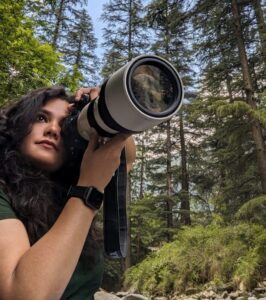
Basic essentials: camera body, one or two versatile zooms or telephoto lenses, spare batteries, memory cards (in case some do not last long), a charger and a lens cloth. Bring binoculars if you already own them, as they are well worth bringing along.
Dust is found everywhere in most tiger reserves, so it helps to protect your gear when it is not in use. It is also wise to keep your camera handy rather than stowed in your luggage. Safari sightings can happen at any moment, and you never want to miss one while rummaging through your bag.
If you have a second camera body to do this, then good for you. If not, do not stress. Better a simple setup that you can handle than dragging too much and having issues.
Binoculars are More Useful Than First-Time Travelers Expect
Even if you’re mostly hoping to spot tigers, binoculars enhance the safari experience immensely.
All the small things inside a forest are awake, birds, deer, langurs, leopards that appear from far off and every single little thing else. On drives when the tiger is playing hide and seek, it often is the binoculars that become fast, giving you an eye for all that other stuff you might not see.
They are game-changers for wildlife enthusiasts and deserve the space in your pack.
Carry your medications and a few basic needs
Most tiger safari treats are in remote areas, and while an excellent lodge will ordinarily help if you need anything, it’s generally best to have your essentials with you.
Take any prescription medicines (if applicable), motion sickness pills if you require them, basic analgesics, antihistamines, insect repellent, hand disinfectant and revitalisation salts if you are travelling in the warmer months. Tissues are always useful, too.
It is one of those categories for which a little preparation yields big dividends.
Tip: A water bottle that you can use again
Staying hydrated is more important than people realise (even in the cooler months).
The refillable bottle comes in handy during drives, transfers and moments at the lodge. It’s also the more sensible choice if you’re trying to minimise plastic use on your travels.
That is positive news, as most reputable safari operators and lodges will be happy to support it.
What not to pack
It is, indeed, normal to overpack on safari, especially for first-timers.
You do not require bright colours, pungent perfumes, multiple wardrobe changes, heavy-duty hard luggage or masses of tech gadgets you will probably never use. Packing Practical and Light Safari Travel.
Comfort over style & Simply a few great pieces rather than many.
Seasonal packing tips
In case your trip is between November and February, pack for cold mornings. A fleece jacket, a warmer layer and even light gloves can certainly be welcomed by anyone who often feels cold.
Note, however, a few words of caution if you are travelling at the end of the season: with warm weather from March, plan for more breathability in your clothing, drink plenty of water to stay hydrated, protect yourself against sunburn and dust (maybe just take something light to cover your face).
If your travel dates are a transitional time between seasons, layers are still the best bet.
Tiger safari packing list basics
It is easy to work an version of this
Clothing
- Neutral-colored T-shirts or shirts
- Lightweight long-sleeved tops
- Full-length trousers
- Warm layer for early mornings
- Light jacket
- Hat
Footwear
- Comfortable closed shoes
- Socks
Accessories
- Sunglasses
- Scarf or buff
- Reusable water bottle
- Sunscreen
- Lip balm
- Moisturizer
Photography and optics
- Camera
- Lens
- Spare batteries
- Memory cards
- Charger
- Binoculars
- Lens cloth
Personal items
- Prescription medicines
- Insect repellent
- Hand sanitizer
- Tissues
- Small day bag
It is not difficult to pack for a tiger safari in India.
The simplest approach is often the best: breathable clothing, neutral colours, comfortable footwear, good layers at any time of day (and evening), some protection from sun and dust, as well as personal items you know you will need. And once that is taken care of, you can get on with the actual reason you are there, the woods, the anticipation, and all the we might see something utterly amazing just around this next bend in the track.
Ultimately, the smartest safari packing is not about packing more. It’s about carrying the right stuff.
Ethical Wildlife curates small-group, photography-led safaris in India and Africa. They specialise in tiger safaris in Bandhavgarh, snow leopard expeditions in Ladakh, and a multitude of trips that connect travellers with nature, ethically and meaningfully. Their focus is on deep experiences, guided by expert naturalists and photographers, and they hold their journeys to inspire, educate and respect nature and the wild.





 Apoorva Jadon