
Travelling Solo on an Indian Safari
What Happens Before, During and Between the Drives?
Coming alone does not mean doing the safari alone. A solo journey can give you the freedom to follow your own curiosity while a small group, local team and planned route take care of the practical side. Here is what a solo traveller can expect before, during and between the drives on an Ethical Wildlife trip.
Before you arrive
You can book on a solo or shared basis. Tell the team what kind of journey you want—one reserve, several parks, a photography focus or wildlife with culture—and they can discuss a suitable tour. The itinerary sets out the places, travel days and accommodation so you can see how much time is spent in the forest.
Park entry is not something to leave for the airport queue. Ethical Wildlife arranges safari permits far in advance. Once you land in India, the planned airport and road transfers are included within the tour, apart from any personal detours you choose to make. Accommodation throughout the scheduled trip and three meals a day are included; if you want to arrive early or stay longer, the team can help arrange that separately.
In the safari vehicle
Every vehicle guests use is part of the Ethical Wildlife arrangement. On standard vehicle-based safaris there are no more than three guests in a vehicle; another guest may share it with you, while the guest limit remains three. Snow leopard expeditions work differently, so check that itinerary for its specific transport arrangements. Sharing a vehicle can make a solo trip pleasantly social without turning the drive into a large-group outing.
The drive itself is a shared exercise in attention. A guide may pause for a call from the forest, a fresh track or a bird you might otherwise miss. You do not need to know species names or own a professional camera. Be ready to follow park rules, keep voices low and let wildlife choose whether to appear.
Between drives
Early mornings are often followed by breakfast and time back at the lodge. Depending on the day’s schedule, you might rest, look through photographs, talk with fellow travellers or simply sit with what you saw. Afternoon drives bring different light and sometimes a different mood. On a multi-park itinerary, a transfer day gives you time to notice how the landscape changes beyond the reserve gates.
Solo travel need not mean filling every pause with company. It also need not mean organising every movement yourself. The balance of shared outings and personal downtime is part of the appeal. If a particular room arrangement, pace or level of photography guidance matters to you, raise it before booking so the team can confirm the details of your chosen departure.
Is a solo safari right for you?
If you enjoy nature but do not have a travel companion with the same dates or interests, it is a very good way to go. Start by choosing the forest and length of trip you would enjoy even on a quieter wildlife day. Browse Ethical Wildlife’s tours, then tell us what you hope to see and how you like to travel. We can match you with the right itinerary and explain exactly how your place will work.
Ethical Wildlife curates small-group, photography-led safaris in India and Africa. They specialise in tiger safaris in Bandhavgarh, snow leopard expeditions in Ladakh, and a multitude of trips that connect travellers with nature, ethically and meaningfully. Their focus is on deep experiences, guided by expert naturalists and photographers, and they hold their journeys to inspire, educate and respect nature and the wild.



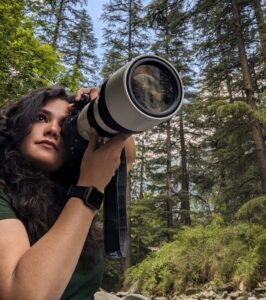 Apoorva Jadon