
The Art of Stillness
Why Small-Group Safaris Make Your Wildlife Experience Better
The Indian wilderness follows its own course, with a slow, quiet, purposeful pace. All the magical moments we experience while observing the tiger disappear into the tall grasses or listening for barasingha to call across the wetlands would not exist without the stillness they create.
When travelling in a large vehicle with several other people, or on a tour with over 10 individuals, the tranquillity of the wilderness gets lost. There will be too many conversations, an overwhelming level of talking, the distracting noise of engines running, and everything will become rushed.
The idea behind creating small-group wildlife tours India is to provide travellers with a new experience of connecting with the wilderness and appreciating the beauty of the environment through mindfulness, patience, silence, and respect for the pace of nature.
It is not merely a convenience; rather, it is an innovative method of connecting with the wilderness.
Why do Small Group Wildlife Tours India Provide An Unrivaled Experience?
Small-group wildlife tours offer no fewer than four to six guests in each vehicle, which significantly reduces:
- Noise
- Ability for guests to easily communicate with the naturalist
- Opportunity for a more personalized learning experience through the opportunity for more meaningful and prolonged animal viewing
On the other hand, large group tours to wildlife areas typically create an environment of hurriedness because guests constantly swap seats, attack each other with their voices, and create multiple distractions for any animals they may observe.
Small groups eliminate these pressures entirely.
The benefits of taking a small-group safari are not only an advantage for travelers but also help protect the environment. Large groups can lead to the following unintentional effects on animals:
- Crowding animals
- Creating noise pollution
- Altering natural behaviour of animals
- Placing too much strain on guides and resources of parks.
In contrast, Ethical Wildlife Tours India adheres to strict ethics regarding the conduct of wildlife filming. They do not engage in aggressive repositioning of their vehicles to block an animal’s pathway. Ethical Wildlife Tours India also does not use bait or calls to lure animals into view; they remain far enough from the animal’s natural habitat to not disturb them. Ethical Wildlife Tours India has a strict adherence to the rules of the park; the company prohibits crowding animals and adheres to their code of ethics.
In all instances, the aim of Ethical Wildlife Tours India is to view wildlife without disturbing or intruding on their lives. Because of these ethical principles, savvy and discerning travelers favour small group wildlife tours India experiences over crowded, mass-tourism safaris.
The Unique Places Where Small Groups Can Make a Large Impact
Pilibhit Tiger Reserve is one of the newest stars in North India’s conservation efforts and is an ideal destination for those looking for secluded wilderness experiences.
Pilibhit has dense sal forests, swampy wetlands, and open where patience is often needed for wildlife viewing, so small groups of like-minded individuals can maximize their viewing experience through their “waiting” skills.
Pilibhit will:
* offer tiger sightings from river banks
* offer jackal and hyena sightings from the edge of grass
* introduce travellers to an incredible variety of birds
* provide an opportunity for peaceful, uncrowded wildlife viewing experiences,
* Reward the mindful traveller with its unique beauty; it will take time to fully appreciate the beauty of Pilibhit.
The Dudhwa and Kishanpur reserves are bursting with life, hence the need for environmentally-conscious tourism. These reserves are home to swamp deer, leopards, elephants, and grassland birds and send out vibrations that are very sensitive to noise; therefore, small groups enable the natural habitat to remain intact.
Satpura National Park is known for its foot safaris, canoeing, and leisurely jeep excursions. From an enjoyment standpoint, small groups allow for greater immersion into the area through sounds from the wind, water, bird calls, and footsteps as people travel through the forests.
How Small-Group Safaris Improve Your Wildlife Photography
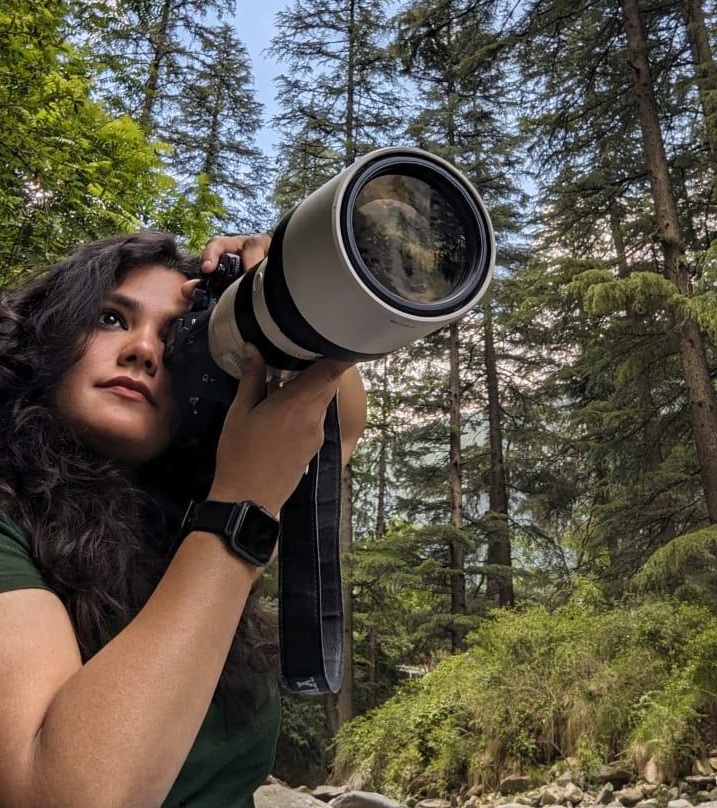
Wildlife photography is a matter of waiting for the right moment. Small-group tours provide more opportunity for photographers. There is often little room between photographers, making it difficult to find the best angle, the best light, or to capture the behaviour of the animal. Because of the relatively small crowd on a small-group tour, you have the ability to search for the most optimal angle as well as have the opportunity to switch lenses, shoot from a low angle, or create different effects without disturbing others.
Communicating better with your mentor
By getting personal feedback, descriptions on the settings, and real-time instructions.
Not feeling rushed
You can take your time with a particular subject if no one else is suggesting that you move!
Quieter conditions
Wild animals (birds, mammals, reptiles) always behave as nature intended, thus allowing them to present authentic photographs [of animals] instead of hasty escapes.
With ethical, slow-travel circuits, the difference is great.
Minimising impact through the Sustainable Jungle Safari India and maximising insight
Wildlife tours in small groups are more environmentally sustainable by:
- Minimising carbon footprints per safari.
- Reducing the number of people in the field to reduce congestion at animal sightings.
- Creating lower levels of noise emitted from vehicles during sightings.
- Enhancing the waste-management practices of participating businesses.
- Providing higher-quality naturalist interactions.
- Allowing for greater respect for the local communities.
Sustainable tourism is much more than just witnessing animals; it is ensuring that they can continue to thrive long after we die.
Why Ethical Wildlife Tours India Promotes the Small-Group Tour Model Because Wildlife Comes First
Ethical Wildlife Tours India was established with a commitment to one goal: to put wildlife first. Each small-group tour is designed to:
- Stay small and intimate;
- Encourage behaviour-oriented animal sightings;
- Support local guides and conservation professionals;
- Promote quiet, respectful wildlife observation; and
- Offer field mentoring vs. a travel checklist approach.
Whether you are participating on a tiger safari, a birding tour in the Himalayas, or an expedition in the desert grasslands, our philosophy is unchanged: slow down, observe deeply, connect meaningfully.
Who are the ideal candidates for choosing small wildlife tours?
– Wildlife photographers.
– Families who wish to combine relaxation with a meaningful travel experience that isn’t rushed.
– Solo travellers looking for a supported guide.
– Nature lovers who prefer to experience nature without other visitors.
– Travellers that care about more than that list, and that they’ll also have an ethical impact on the animals they encounter.
– Beginners who want to receive individualised attention from an experienced naturalist.
When you are looking for a safari experience that is transforming, as opposed to simply enjoyable, you should consider choosing a small group safari.
FAQ’s
1. What are the advantages of small group wildlife tours India compared to regular safari tours?
The major advantage of a small group tour is that you will have quieter sightings, better opportunities for photography, more opportunities for learning and a more ethical impact on the wildlife you encounter.
2. Are small-group safaris’ prices relatively high?
Small group safari’s pricing could be higher but overall the experience offered is much more fulfilling — through more personalised attention from your guides, fewer people in attendance, and an overall better-quality safari experience in the field.
3. Where in India are the best places for sustainable jungle safaris?
The parks of Pilibhit, Satpura, Dudhwa and some areas of Kanha and Pench all have excellent low-impact safari opportunities.
4. Do Ethical Wildlife tours use small groups?
Yes – Ethical Wildlife Tours Group Size is intentionally kept to a minimum to ensure that animals are experienced with minimal disruption and with ethical behaviour, therefore creating a unique opportunity for you to enjoy wildlife without disturbing/scaring them away.
5. Will I be able to enjoy small group tours if I am a beginner?
Yes, you will receive individual attention, guidance and support than if you were to be travelling in a larger group. For this reason, small group tours are ideal for first-time wildlife travellers/photographers.
Conclusion - The Stillness That Remains With You
The forest is a magical place. It holds many secrets that come from places that you will visit during your life. It will speak to you through the air and the ground you walk on, the different types of trees that grow there, the animals that call it home, the rivers and lakes, and all of the other elements. One of the greatest beauties in nature comes from your ability to sit quietly and listen to the forest, letting all of the beauty, mystery, and care impart their own messages, allowing you to have a deeper experience of the world around you. The experience an individual has when he or she experiences the stillness of a forest for the first time can never truly be explained or put into words. For those who are fortunate enough to find themselves in this situation, the stillness of the forest and the beauty of the forest will forever stay in their hearts and be a part of their lives.
Ethical Wildlife curates small-group, photography-led safaris in India and Africa. They specialise in tiger safaris in Bandhavgarh, snow leopard expeditions in Ladakh, and a multitude of trips that connect travellers with nature, ethically and meaningfully. Their focus is on deep experiences, guided by expert naturalists and photographers, and they hold their journeys to inspire, educate and respect nature and the wild.





 Apoorva Jadon