
Safari Fatigue Is Real
How to Design a Wildlife Trip That Doesn’t Burn You Out
Nobody warns you about safari fatigue.
When you’re planning the trip, you want everything. Morning drives. Evening drives. Two parks. Maybe three. If there’s an extra slot available, you take it. You didn’t come all this way to rest, right?
And honestly, the first few days are incredible. The 5 a.m. wake-up feels exciting. The cold air hits your face as the jeep rolls out. Every alarm call makes your heart jump.
But by day four or five, something shifts.
You’re still enjoying it. You’re still grateful. But you’re also tired in a way you didn’t expect. And that’s where smart planning matters.
The best Indian safari packages aren’t the ones that pack the most drives into the schedule. They’re the ones that understand human limits.
What Safari Fatigue Actually Feels Like
It’s subtle at first.
You don’t jump up immediately when the guide whispers about fresh pugmarks. You feel slightly relieved if a drive ends without too much bouncing around. You start thinking about coffee more than the next crossing.
Physically, it makes sense. You’re waking up before sunrise every day. You’re sitting in an open vehicle for three to four hours at a stretch. It’s dusty. It’s hot. Sometimes it’s cold. You’re constantly scanning the forest.
Mentally, you’re always “on.” Listening for langur calls. Watching deer behaviour. Reading the guide’s body language.
That level of alertness is exhausting, even if you love it.
The best Indian safari packages quietly build recovery into the plan instead of pretending you’re a machine.
Is Two Safaris a Day Too Much?
For a short trip? Not at all.
If you’re doing three or four days total, double drives are fantastic. The intensity adds to the thrill. But stretch that pattern across eight or nine days without a break, and it starts to wear you down.
You don’t need to prove anything by doing every possible drive. In fact, some of the most memorable trips come from slowing down slightly. This is where small group wildlife tours India make a difference. Smaller groups allow flexibility. Maybe you skip one afternoon. Maybe you stay longer at a sighting instead of racing to the next zone. Maybe you simply choose to rest without guilt.
Intensity works best in waves, not in a straight line.
The Mental Side Nobody Talks About
Safari travel runs in anticipation.
You wake up hopeful. Every alarm call spikes your pulse. Every fresh track feels promising. That cycle repeats twice a day.
When sightings are good, the emotional high is real. When they’re slow, the disappointment feels sharper than you expected — especially when you’re already tired.
It’s not about being ungrateful. It’s about emotional energy.
The best Indian safari packages understand that you need time to absorb what you’ve seen. Otherwise, even extraordinary tiger sightings start blending together in your memory.
And that’s the opposite of what you travelled for.
Lodge Time Is Not “Wasted” Time
People underestimate this.
Afternoons at the lodge are not lazy. They’re essential. Sitting quietly with tea. Watching birds near the waterhole. Reviewing photos without rushing. Sleeping properly.
Your brain needs stillness after constant scanning.
Small group wildlife tours India often use properties that encourage this kind of downtime; not just a bed for the night, but a space to reset.
When you rest well, the next drive feels fresh again.
Without recovery, the forest starts feeling repetitive, even when it isn’t.
Photography Makes Fatigue Stronger
If you’re carrying heavy gear, it’s even more intense.
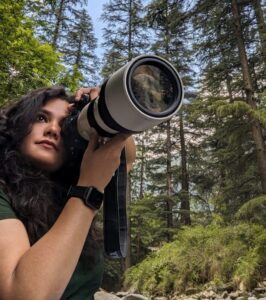
Long lenses. Bean bags. Constant setting changes. Reviewing files late at night. Backups. Memory cards.
You’re not just watching wildlife but working for every frame.
After several days, creative fatigue kicks in. You start shooting automatically instead of thoughtfully. That’s when mistakes happen.
The best Indian safari packages that cater to photographers space things intelligently. They don’t overload the schedule just to maximise “opportunities.” Because photography needs patience more than volume.
And small group wildlife tours India allow vehicles to stay longer at meaningful sightings instead of chasing every radio update.
That reduces chaos. And chaos drains energy fast.
So What’s the Ideal Length?
For most travellers, six to eight safari days across two parks is a sweet spot. It’s long enough to see strong wildlife movement, short enough to keep the excitement alive.
Ten to twelve days works beautifully if pacing is smart and there are lighter days built in.
Anything longer without breaks? You risk dulling your own senses.
The best Indian safari packages focus on rhythm, not just duration.
Should You Add Rest Days Between Parks?
Yes. Especially if you’re moving from one reserve to another.
Transfers are natural breathing spaces. Use them. Don’t land at a new park and immediately jump into a full drive unless you genuinely feel energised. A reset day can completely change how the second half of your trip feels.
Small group wildlife tours India often include this flexibility without making it obvious in the brochure. It’s built into the structure.
And you feel the difference.
FAQs
Q1. Is two safaris per day too much?
Ans- For short trips, no. For longer itineraries, doing double drives every single day can lead to burnout. The best Indian safari packages balance intensity with recovery.
Q2. What’s the ideal safari trip length?
Ans- Six to eight safari days is ideal for most people. Longer trips work well only when spaced thoughtfully.
Q3. Should I add rest days between parks?
Ans- Yes, especially on trips longer than a week. It resets your energy and improves the second half of the journey.
Q4. Do small group tours reduce fatigue?
Ans- Yes. Small group wildlife tours India allow better pacing, less vehicle noise, and more flexibility, which lowers mental strain.
Q5. Does photography increase safari exhaustion?
Ans- Definitely. Carrying heavy gear and staying constantly alert is demanding. Balanced scheduling within the best Indian safari packages protects both your body and creativity.
Ethical Wildlife curates small-group, photography-led safaris in India and Africa. They specialise in tiger safaris in Bandhavgarh, snow leopard expeditions in Ladakh, and a multitude of trips that connect travellers with nature, ethically and meaningfully. Their focus is on deep experiences, guided by expert naturalists and photographers, and they hold their journeys to inspire, educate and respect nature and the wild.
A safari should leave you feeling expanded, not exhausted.
Yes, wildlife travel is intense. It’s early mornings, dust, heat, and emotional highs. That’s part of its magic. But pushing yourself to the edge every day doesn’t make the experience richer, smart design does. The best Indian safari packages understand human energy. They give you space to rest, absorb, and come back sharper. And well-paced small group wildlife tours India keep the experience alive until the final drive; when you still feel excited, not just relieved. That’s the difference between a packed itinerary and a truly memorable journey.





 Apoorva Jadon