
Ranthambore Tiger Safari Guide
Best Time, Landscape, and What to Expect
Few tiger reserves in India carry the kind of weight that Ranthambore does. It sits at the edge of the Aravalli and Vindhyan hill ranges in Rajasthan, framed by a 10th-century fort that has watched over the forest for longer than the reserve has existed. The landscape is dramatic, the history is layered, and the tigers here have grown up alongside human presence in a way that makes encounters feel genuinely different from reserves deeper in central India.
For serious wildlife travellers, Ranthambore is not just a popular destination. It is a distinct experience.
The Landscape
Ranthambore’s terrain is unlike most tiger reserves in India. Rocky ridges, dry deciduous forest, open scrub, and three interconnected lakes sit beneath the ruins of Ranthambore Fort. The lakes, Padam Talao, Malik Talao, and Gyad Talao, are the ecological heart of the reserve. They attract wildlife year-round and create the kind of open, reflective settings that produce some of the most photographed wildlife images in the country.
The fort itself adds a visual dimension that no other tiger reserve can offer. Tigers moving through ancient archways, resting on old battlements, or emerging from forest into open ruins is a sight specific to Ranthambore and one that serious photographers plan entire trips around.
Beyond tigers, the reserve supports leopards, sloth bears, striped hyenas, jackals, marsh crocodiles, and a strong resident bird population. The lakes draw painted storks, kingfishers, herons, and migratory species in winter.
Best Time to Visit
Ranthambore is open from October through June, closing during the monsoon months of July to September.
October to February brings cooler temperatures, winter migratory birds, and comfortable safari conditions. The vegetation has thinned after the monsoon, making sightings easier. Light in the early morning is clean and soft, particularly around the lakes.
March to May is widely considered the strongest period for tiger sightings. As temperatures rise, water sources become critical and wildlife concentrates around the lakes and waterholes. Drives during this period can be intense. The heat is real but so is the activity.
June remains open and is often underestimated. Visitor numbers drop, the forest quietens, and tigers are regularly seen near water. For photographers willing to manage the heat, June can deliver exceptional and uncrowded experiences.
What to Expect on Safari
Ranthambore is divided into ten zones, each with a different character. Zones 1 to 5 cover the core area including the lakes and fort, historically the most productive for sightings. Zones 6 to 10 are buffer zones with lower visitor density and different habitat, occasionally rewarding for those wanting a quieter experience.
Safari vehicles in Ranthambore are either gypsies, open six-seater jeeps, or canters, larger open vehicles carrying up to twenty passengers. Gypsies are strongly preferred for serious wildlife and photography work. Canters cover the same zones but offer less flexibility in positioning and a noisier overall experience.
Drives run twice daily, morning and afternoon. Timings shift with the season. Morning drives during summer begin early, often before 6 am, to capture the cooler, more active hours.
Zone allocation in Ranthambore involves a permit system that includes an element of lottery. Planning with an experienced operator matters here, both for zone access and for naturalist quality, which varies significantly across the reserve.
Tigers in Ranthambore
Ranthambore’s tigers are among the most studied and individually recognised in India. Several have become known by name and have been photographed extensively over years. This familiarity with vehicles means tigers here are often visible for longer periods than in forests where human contact is less frequent.
This is sometimes misread as ease. Ranthambore still requires patience, the right zones, and the right conditions. But when an encounter happens, it tends to unfold slowly enough to observe properly, which for photographers and naturalists alike is the difference between a glimpse and a genuine experience.
Planning a Ranthambore Safari with Ethical Wildlife
Ranthambore rewards travellers who approach it with preparation rather than expectation. Zone selection, vehicle type, naturalist expertise, and time spent in the field all shape what the reserve gives back.
Ethical Wildlife’s Ranthambore safaris are structured to make the most of those variables. Multiple drives across carefully selected zones, naturalist support throughout, and a focus on meaningful wildlife observation rather than simply accumulating sightings.
If Ranthambore is on your list, the question is not whether to go. It is how to go in a way that the reserve actually rewards.
Inquire about our upcoming Ranthambore departure.
Ethical Wildlife curates small-group, photography-led safaris in India and Africa. They specialise in tiger safaris in Bandhavgarh, snow leopard expeditions in Ladakh, and a multitude of trips that connect travellers with nature, ethically and meaningfully. Their focus is on deep experiences, guided by expert naturalists and photographers, and they hold their journeys to inspire, educate and respect nature and the wild.





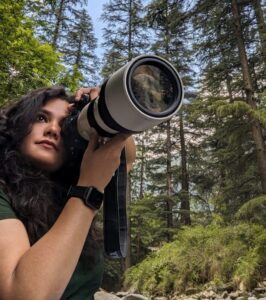 Apoorva Jadon