
Pantanal & The Atlantic Forest Wildlife Safari
The flooded savannah of Brazil, home to the densest jaguar population on earth, alongside giant otters, capybaras, and toco toucans.
Safari Timings
The dry season, roughly July through October, is the Pantanal’s prime window: water levels drop, wildlife concentrates along the rivers, and jaguar activity on the banks peaks, which is exactly where the September departure sits. Expect humid warmth in the Atlantic Forest and hot days with cooler evenings in the wetland, and pack serious insect protection alongside the long lenses. Access runs through São Paulo, with a domestic flight to Cuiabá handled within the itinerary, and connectivity fades as the wilderness deepens, especially aboard the floating hotel, which is less a limitation than the entire point.
The Safari
This journey runs on three rhythms. The Atlantic Forest days are slow and close: trails, hides and feeding stations where the photography is measured in feathers per frame. The Pantanal drive south along the Transpantaneira turns the transfer itself into a game drive, savannah unrolling past the windows. Then the rivers take over, and the days become water: mornings and afternoons on the boats, jaguars hunting the banks, otters escorting the hull, and evenings on deck reviewing images as the wetland goes gold. For guests who have travelled the luxury wildlife tours India made them fall in love with, this is the natural next chapter, the same ethics, the same small-group discipline, translated to the biggest wetland on earth.
The Pantanal
Everything in Brazil’s Pantanal is oversized. It is the largest tropical wetland on the planet, a flooded world of rivers, savannah and forest islands many times the size of India’s biggest reserves, and it holds wildlife with a generosity that stuns even veterans of African and Indian safaris. Capybaras line the banks in herds, caimans gather in their thousands, and on the rivers around Porto Jofre lives the highest density of jaguars anywhere on earth.
The journey there is a story in itself. It begins in the Atlantic Forest, one of the most biodiverse and most threatened habitats in the world, where a secluded lodge at Trilha dos Tucanos opens the trip with hides, feeding stations and some of the most dazzling birdlife in the Americas. From there the route crosses the country to Cuiabá and drops down the legendary Transpantaneira, a raised dirt road running bridge by wooden bridge into the wetland’s heart, with the wildlife beginning before the tarmac ends.
Flora
The Pantanal is not one landscape but a rotation of them. Seasonal floods redraw the map every year, leaving behind open savannah, palm groves, gallery forest along the rivers and lagoons thick with water hyacinth. The Atlantic Forest leg belongs to another world entirely: dense, dripping, ancient rainforest where bromeliads crowd every branch. Between the two, a single trip crosses more botanical territory than most travellers see in a lifetime.
Fauna
The jaguar rules this page. Larger and heavier-built than a leopard, at home in the water in a way no other big cat is, it hunts caimans along the riverbanks in broad daylight, which is precisely why the Pantanal has rewritten what a big cat safari can be. Around it moves a supporting cast without equal in the Americas: giant river otters working the channels in loud, fearless family groups, capybaras, the world’s largest rodent, grazing every bank, yacaré caimans beyond counting, and tapirs, giant anteaters and ocelots for the fortunate, with the night drive at Piuval opening the nocturnal shift.
Birdlife
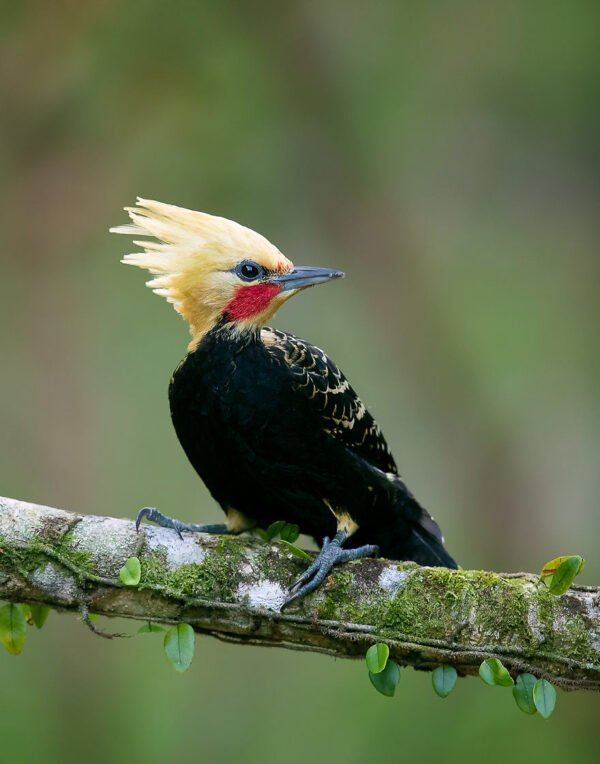
The Pantanal and the Atlantic Forest together form one of the great birding one-two punches on earth. The wetland delivers spectacle: hyacinth macaws, the largest parrots alive, jabiru storks standing eye-level with a person, toco toucans, and waterbirds in volumes that make Bharatpur look restrained. The Atlantic Forest answers with rarity, a hit parade of endemic tanagers, hummingbirds and toucanets found nowhere else on the planet, brought within portrait range by the lodge’s hides and feeding stations.


 Apoorva Jadon