
How Many Safari Drives
Do You Really Need in India?
There is no magic number of safari drives that produces a tiger. There is, however, a big difference between fitting in one drive and giving a forest enough time to surprise you. If you are planning an Indian safari, start with the kind of trip you want, then decide how many mornings and afternoons you can spend in the field.
One or two drives give you a taste
A short visit can introduce the habitat, the rhythm of a guided drive and the excitement of looking for wildlife. It can be a worthwhile addition to a wider India holiday. But with so little time, weather, animal movement and your assigned route have an outsized influence. Treat a one-drive safari as an introduction, not a complete test of a park.
Four to six drives make room for the forest to unfold
For many first-time travellers, several drives over three or four days strike a satisfying balance. You see the same landscape in different light, begin to recognise its sounds and have time for other wildlife besides tigers. A quiet first day no longer feels like the whole story. Ethical Wildlife’s short Kanha and Bandhavgarh tours each schedule six safaris over four days.
This is a planning guide, not a probability calculation. More drives mean more time outside, but they never turn a wild animal into a scheduled attraction. Some of the most memorable moments happen while waiting: a barasingha at a meadow edge, a change in bird calls, or the sudden stillness of the vehicle when a guide notices fresh signs.
More drives can mean more depth, if the trip has breathing room
A multi-reserve journey lets you experience different ecosystems rather than repeat the same route in a hurry. Ethical Wildlife’s Golden Triangle Tiger Circuit has 11 safaris across Kanha, Bandhavgarh and Panna; the Tiger Marathon lists 19 across five reserves. Those counts make sense within longer itineraries with travel days, accommodation and time to reset between parks.
Do not fill every open hour simply because a drive is available. Dawn departures, afternoon heat and road transfers take energy. If photography matters to you, you may want time to review images and adjust your approach. If you are travelling with family or adding cultural stops, a lighter day can improve the whole experience.
Build the number around your priorities
Ask yourself three things. Is this a first encounter with Indian wildlife or a dedicated photography trip? Are you staying in one reserve or moving between several? How much early-morning travel do you genuinely enjoy? Then plan permits early. Popular parks limit access by drive and zone, so a preferred schedule may not be available at short notice. Ethical Wildlife takes responsibility for booking permits well ahead of the tour.
If you have three or four days, consider one reserve and multiple drives. With more time, compare a two- or three-reserve route before adding extra single-day stops. Tell us your travel window and the wildlife you most want to experience, and we can suggest a pace that gives the forest its due.
Ethical Wildlife curates small-group, photography-led safaris in India and Africa. They specialise in tiger safaris in Bandhavgarh, snow leopard expeditions in Ladakh, and a multitude of trips that connect travellers with nature, ethically and meaningfully. Their focus is on deep experiences, guided by expert naturalists and photographers, and they hold their journeys to inspire, educate and respect nature and the wild.



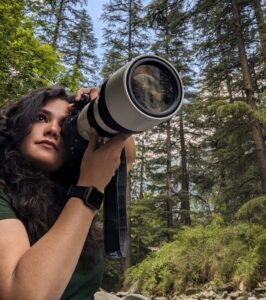 Apoorva Jadon