
Frequently Asked Questions
Is a wildlife safari in India safe for first-time travellers?
Yes. Wildlife safaris in India are safe for first-time travellers when done through licensed operators. Safaris follow strict park rules, trained drivers and guides accompany every outing, and vehicles stay on designated routes. Most national parks have well-regulated systems that prioritise visitor safety.
When is the best time to go on a wildlife tour in India?
The best time depends on what you want to see. October to February offers pleasant weather and excellent birding. March to June is ideal for big-cat sightings like tigers and leopards. Different regions and species have different peak seasons.
Will I definitely see animals on a safari?
Wildlife sightings can never be guaranteed, as animals move freely in natural habitats. However, experienced guides, multiple safaris, and visiting the right park in the right season significantly increase your chances of sightings while keeping expectations realistic.
How many days are enough for a good wildlife experience?
A minimum of 3–4 days in one destination is recommended. This allows for multiple safaris, increases sighting opportunities, and gives you time to understand animal behaviour rather than rushing through the experience.
Are wildlife tours suitable for solo travellers?
Yes. Wildlife tours in India are well suited for solo travellers. Small group tours provide safety, shared experiences, and the chance to meet like-minded people. Many solo travellers find wildlife trips social yet comfortable.
Do I need prior safari or wildlife experience to join a tour?
No prior experience is needed. Guided wildlife safaris are beginner-friendly, and guides explain animal behaviour, park rules, and what to expect. First-time travellers can enjoy the experience just as much as seasoned wildlife enthusiasts.
What should I pack for a wildlife safari in India?
Essentials include neutral-coloured clothing, comfortable footwear, sun protection, a light jacket, binoculars, and personal medication. If you enjoy photography, a camera and zoom lens are useful but not mandatory. Packing depends on season and region.
Are wildlife safaris physically demanding?
Most wildlife safaris are not physically demanding. Activities usually involve jeep safaris and short walks. Basic fitness is enough. Tours requiring higher fitness levels, such as mountain or snow leopard expeditions, are clearly mentioned in advance.
Is a wildlife safari worth it if I’m not a photographer?
Absolutely. Wildlife safaris are about observing nature, landscapes, and animal behaviour — not just photography. Many travellers enjoy safaris with binoculars or even just their phones, focusing on the overall experience rather than perfect images.
What’s included in a typical wildlife tour package?
Most wildlife tour packages include accommodation, meals during the tour, safari permits, guided safaris, park entry fees, and ground transfers. Inclusions vary by itinerary, so it’s important to review details before booking.
How far in advance should I book a wildlife tour?
It’s best to book 3–6 months in advance, especially for popular parks and peak seasons. Safari permits, preferred lodges, and small group tours have limited availability and tend to sell out early.
What’s the difference between a budget safari and a premium wildlife tour?
Budget safaris usually focus on basic accommodation and fewer safaris. Premium wildlife tours offer better-located lodges, experienced guides, smaller groups, and more time in the field — resulting in a more relaxed and immersive experience.
Can families or older travellers join wildlife tours?
Yes. Many wildlife tours are suitable for families and older travellers. Safaris are vehicle-based, accommodations are comfortable, and itineraries can be paced gently. It’s best to choose tours that clearly mention accessibility and comfort levels.
How do I choose the right wildlife tour for me?
Choose based on the animals you want to see, travel dates, fitness level, budget, and whether photography is a priority. A well-planned wildlife tour should match your interests rather than trying to cover too many destinations at once.
What makes The Ethical Wildlife different from other wildlife tour operators?
We design slow, mindful wildlife experiences with a strong focus on ethics, education, and conservation. Our tours are led by passionate naturalists and photographers who respect nature and promote responsible tourism.
Are your tours suitable for beginners?
Absolutely. Whether you’re new to wildlife safaris or a seasoned enthusiast, our team ensures every guest feels comfortable, informed, and inspired throughout the journey.
How physically demanding are the tours?
Most of our tours are moderately paced and suitable for anyone with basic fitness. Activities like jeep safaris, nature walks, and travel between parks are planned to be manageable and enjoyable.
What is your group size for tours?
We keep our groups small and intimate (typically 6–12 people) to ensure a richer, more personalised experience and to minimize our ecological footprint.
Do I need to be a photographer to join?
Not at all. While our trips offer photography guidance, they are open to all nature lovers. You’ll enjoy the same immersive experience whether you carry a phone or a DSLR.
Can I travel solo?
Yes! Many of our travellers come solo. Our tours are a great place to meet like-minded people who share your love for wildlife.
What should I pack for the tour?
Once you book, we send a detailed pre-departure guide including packing tips, recommended gear, and safety instructions based on the location and season.
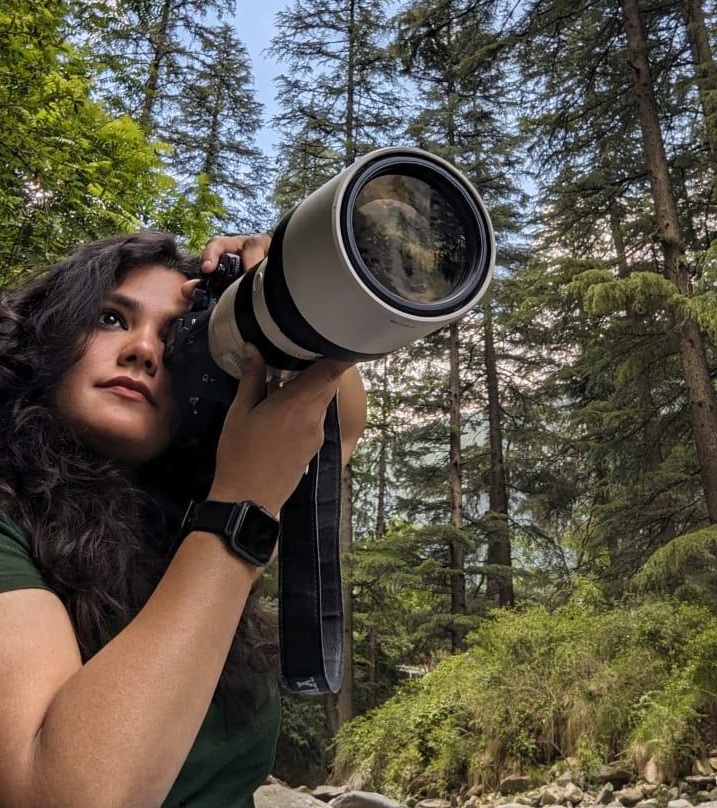
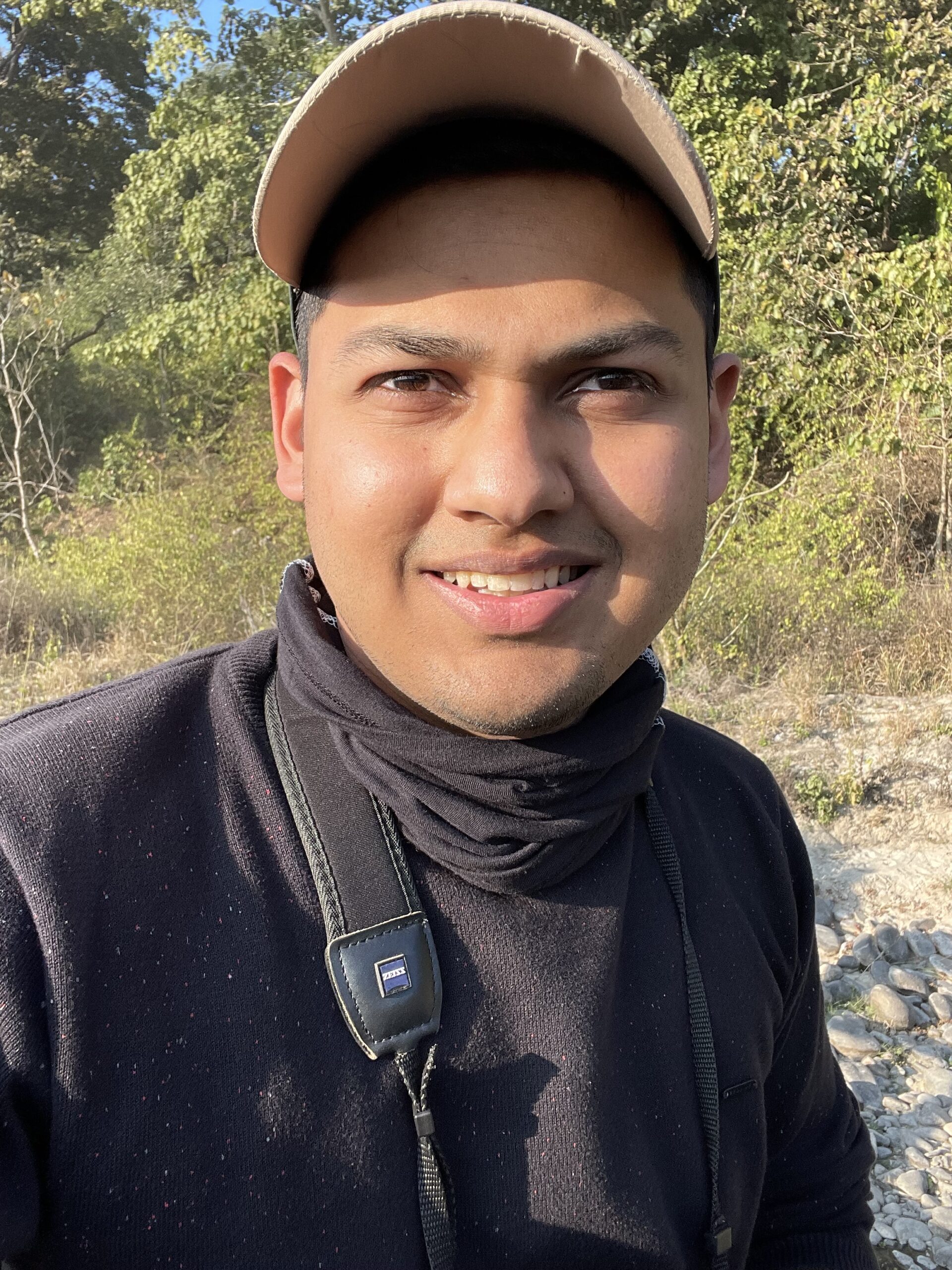





 Apoorva Jadon