
Best National Parks for Tigers in India
(Ranked by Sightings)
Every national park in India markets itself as “excellent for tiger sightings.”
That’s not a lie — but it’s also not the full truth.
Tiger sightings aren’t magic. They’re math.
They depend on tiger density, habitat openness, territory overlap, and how predictable the landscape is. Some forests make tigers visible. Others hide them brilliantly.
If your goal is the best tiger safari India has to offer, you need to stop asking “Which park is famous?” and start asking “Which park gives me the highest odds?”
This ranking is based on:
Actual tiger density
Terrain visibility
Consistency of sightings over years
How often first-time visitors see tigers, not just researchers
Let’s rank them honestly.
Bandhavgarh National Park, Madhya Pradesh
(Highest Probability, Not the Largest Park)
If sightings were a numbers game alone, Bandhavgarh would sit comfortably at the top.
It has one of the highest tiger densities in India, packed into a relatively small, navigable area. Tigers here don’t need to roam endlessly to find prey, which means they cross safari tracks more often than in larger reserves.
The terrain helps too.
Open meadows, sal forests, and broken hills create natural visibility windows. Tigers are frequently spotted resting, walking, or even patrolling territory in daylight.
This is why Bandhavgarh consistently ranks as one of the best national parks for tigers in India, especially for:
- First-time safari-goers
- Short trips (2–3 safaris)
- Visitors who want realistic chances, not hopeful ones
It’s not subtle. It’s not mysterious. It’s effective.
Ranthambore National Park, Rajasthan
Ranthambore earns its reputation; not because it has the most tigers, but because it has the most visible ones.
The landscape is bold and open. Dry deciduous forests, lakes, ancient ruins, and rocky plateaus mean fewer places for tigers to disappear completely. When a tiger is around, chances are you’ll know.
This park has produced some of India’s most photographed tigers for a reason. Tigers here are relatively habituated to vehicles and often move confidently near water bodies during the day.
That said, Ranthambore is also crowded.
Popularity works both ways. More vehicles mean more eyes, but also more pressure.
Still, for travelers who want a visually striking experience and a strong shot at sightings, Ranthambore remains a pillar of the best tiger safari India conversation.
Jim Corbett National Park, Uttarakhand
Corbett is India’s oldest national park, and arguably its most misunderstood.
Tiger density is solid, but the terrain works against easy sightings. Dense sal forests, riverine grasslands, and uneven landscapes give tigers countless hiding options.
This is not a park for instant gratification.
But when Corbett delivers, it delivers big.
Elephants moving through grasslands, tigers near riverbanks, dramatic light filtering through forests; sightings here feel cinematic.
For travelers who understand that low probability does not mean low value, Corbett earns its place among the best national parks for tigers in India, just not for everyone.
Kanha National Park, Madhya Pradesh
Kanha is beautiful. Almost painfully so.
Wide meadows, sal forests stretching endlessly, misty mornings; it looks like the idea of a jungle. But beauty doesn’t always equal visibility.
Tigers in Kanha are healthy and well-distributed, but the park is vast. That means sightings can feel less frequent unless you spend time here.
When you do see a tiger, though, it’s often walking with purpose – crossing meadows, following prey, or moving between territories. These are not fleeting moments.
Kanha rewards:
- Multiple safaris
- Observant travelers
- People who enjoy the process, not just the outcome
It may not be the fastest route to a sighting, but it remains a cornerstone of the best tiger safari India experience.
Tadoba–Andhari Tiger Reserve, Maharashtra
Tadoba doesn’t shout. It delivers.
Over the past decade, Tadoba has quietly become one of the most consistent tiger sighting parks in the country. The reason is simple: high tiger numbers + frequent waterhole activity.
During warmer months especially, tigers here must visit water. That creates predictable movement patterns, a gift for sightings.
The forest is less manicured, less “touristy,” and feels raw. Tigers aren’t posing here. They’re surviving. That authenticity often leads to sightings that feel intense and real.
If you’re serious about wildlife and less interested in postcard aesthetics, Tadoba is one of the strongest contenders among the best national parks for tigers in India right now.
Jim Corbett National Park, Uttarakhand
Corbett is India’s oldest national park, and arguably its most misunderstood.
Tiger density is solid, but the terrain works against easy sightings. Dense sal forests, riverine grasslands, and uneven landscapes give tigers countless hiding options.
This is not a park for instant gratification.
But when Corbett delivers, it delivers big.
Elephants moving through grasslands, tigers near riverbanks, dramatic light filtering through forests; sightings here feel cinematic.
For travelers who understand that low probability does not mean low value, Corbett earns its place among the best national parks for tigers in India, just not for everyone.
Pench National Park, Madhya Pradesh / Maharashtra
Pench is often underestimated.
Tiger numbers are moderate, but the park’s road network and open teak forests make sudden encounters possible. Tigers here tend to move quickly, often crossing roads rather than lingering.
Sightings may be brief, but they’re often unexpected.
Pench works well for travelers who:
- Are flexible
- Enjoy surprise over certainty
- Want a quieter safari atmosphere
It may not top density charts, but it holds its own in the best tiger safari India list for those who value experience over statistics.
How Ranking Really Works (And Why It Matters)
Ranking parks isn’t about declaring winners.
It’s about matching expectations to reality.
High-density parks increase probability.
Open landscapes increase visibility.
Smaller reserves compress movement.
When these factors align, sightings become more likely; not guaranteed, but earned.
That’s why the phrase best national parks for tigers in India isn’t universal. It depends on:
- Time available
- Budget
- Patience level
- Purpose of travel
So Which Park Should You Choose?
Choose Bandhavgarh or Ranthambore if sightings are your top priority.
Choose Tadoba if you want consistency with fewer crowds.
Choose Kanha if you want immersion and learning.
Choose Corbett if you value wilderness over certainty.
Choose Pench if you’re open to unpredictability.
The best tiger safari India isn’t about chasing rankings.
It’s about choosing the forest that fits how you want to experience wildlife.
FAQs
- Which are the best national parks for tigers in India for first-time visitors?
For first-time safari-goers, Bandhavgarh and Ranthambore are often considered among the best national parks for tigers in India due to their high visibility landscapes and consistent sighting records. Their terrain makes tiger movement easier to track compared to denser forests. - Which park offers the best tiger safari India experience overall?
The best tiger safari India experience depends on your expectations. If your priority is high sighting probability, Bandhavgarh or Tadoba may suit you best. If you value dramatic landscapes and heritage settings, Ranthambore offers a visually iconic experience. For wilderness immersion, Kanha and Corbett are strong contenders. - Does higher tiger density guarantee better sightings?
Not necessarily. While density improves probability, terrain visibility plays an equally important role. Some of the best national parks for tigers in India combine healthy tiger populations with open landscapes that make sightings more likely. - How many safaris should I plan to increase my chances of seeing a tiger?
In high-density parks, 3–4 safaris often provide strong chances. In larger or denser reserves, 5–6 drives may be more realistic. The best tiger safari India experiences usually come from spending multiple drives in the same park rather than rushing across destinations. - Which season is best for tiger sightings in India?
Summer months (March to May) generally offer higher visibility due to dry landscapes and concentrated water sources. However, winter safaris provide better photography light and comfort. The best national parks for tigers in India perform differently across seasons, so timing should align with your travel goals.
Conclusion
Tigers don’t perform.
They don’t owe sightings.
They don’t care about rankings.
But some forests make encounters more likely than others, and knowing that difference changes everything.
The best safari isn’t the one with the loudest story.
It’s the one where the forest meets you halfway.
That’s where real sightings happen.
Ethical Wildlife curates small-group, photography-led safaris in India and Africa. They specialise in tiger safaris in Bandhavgarh, snow leopard expeditions in Ladakh, and a multitude of trips that connect travellers with nature, ethically and meaningfully. Their focus is on deep experiences, guided by expert naturalists and photographers, and they hold their journeys to inspire, educate and respect nature and the wild.
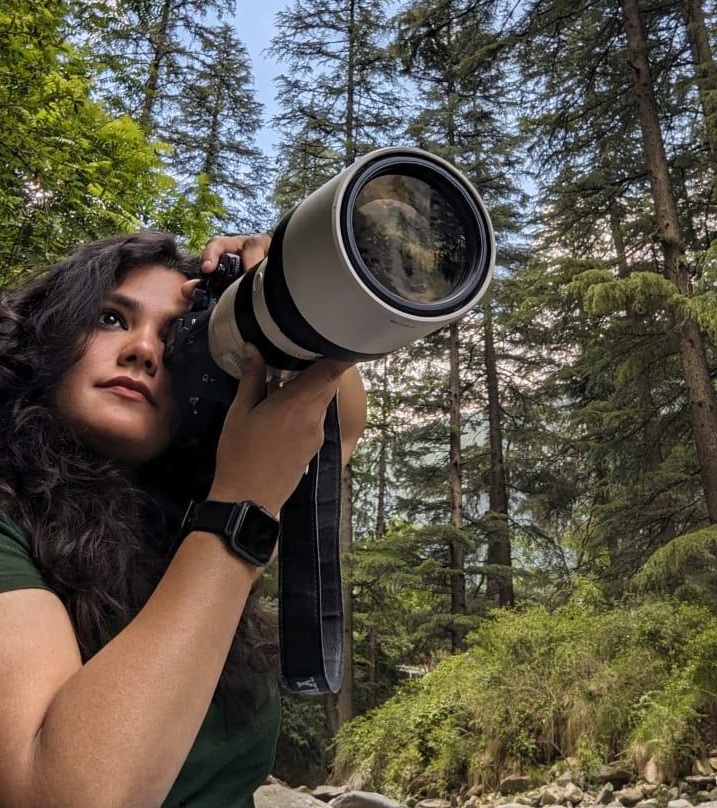






 Apoorva Jadon