
Jawai Leopard Safari
How to Plan Thoughtful Leopard Sightings in Rajasthan’s Granite Hills
When most people think about wildlife safari experiences in India, they picture dense forests with tall Sal trees or tiger trails and paths for tigers. On the other hand, Jawai (in Rajasthan) has a different landscape and a different environment for leopards.
In Jawai, leopards are found roaming through granite hills, scrub, and old caves, living together with the local pastoral communities that have lived there for generations.
While a guided wildlife photography tour does not focus on attracting and displaying photo-worthy animals, it provides visitors with an opportunity to appreciate the relationship and coexistence, patience, and behaviour of animals in a wild untamed landscape.
Jawai is an example of an unspoiled region and an off-the-beaten-path safari experience. Visitors to Jawai can find unique opportunities for intimate wildlife encounters that are not possible within the traditional framework of a tiger reserve.
What makes Jawai different from Indian Safari Experiences?
Located at the intersection of wildlife and human settlements, Jawai is also distinct from most of the other protected areas in India because it is not a formal declaration (or designation) for national parks, but rather a community-driven, grass-roots conservation project.
The following factors distinguish Jawai from other areas of India:
– Jawai has open granite hills; not dense forests.
– Leopards can be more frequently viewed in Jawai due to the open terrain.
– The people of Jawai and leopards have lived together for many generations and continue to inhabit the same areas.
– Guided safari routes provide visitors with the flexibility to follow leopard tracks and observe leopards at closer distances.
In this way, Jawai has a fundamentally different approach to the safari experiences that were developed for tiger tourism through the establishment of sanctuaries and integrative fishing operations.
Leopards Adapt to Their Environment in Jawai
Leopards have evolved to adapt to the naturally rocky terrain found in Jawai. The hills provide the leopards with both natural hiding places and caves (the cave systems of the mountains), as well as elevated locations to see their surroundings (the tops of the hills). The area also provides cooler micro-climates than the surrounding areas.
What is most interesting about the way leopards have adapted to their environment is that they have been able to find ways to remain near local residents of Jawai, including resting near the temples and other buildings. This has led to a long history of living peacefully among each other. Rabbari’s pastoralists and many local residents have always been willing to co-exist with leopards without fearing for their wellbeing or safety due to the mutual respect shown by both parties.
Leopard Safari in Jawai
Jawai’s leopard safari operates differently from a tiger reserve jeep safari.
Jawai’s leopard safari does not have set areas or gates; rather, it operates on a system of tracking through the granite hills, as well as open landscapes. The guides find tracking signs, movements, and provide local knowledge for the safari. The guides park at a considerable distance from the leopards but are still able to track them.
Because the landscape of Jawai is open, the duration of the sighting is generally longer than a tiger reserve safari, and therefore not as rushed. Therefore, everyone can enjoy the entire experience without being in a hurry to finish the photo or video of the sighting, allowing guests to enjoy the leopards without having to hurry.
Leopard safari guests in Jawai typically find this type of safari much more enjoyable where they have previously been to other tiger reserves in India that limit the number of guests per vehicle.
Jawai vs Forest-Based Safaris: What’s the Difference?
Aspect | Jawai Leopard Safari | Forest Tiger Safari |
Landscape | Rocky hills, scrub | Dense forest, grassland |
Sightings | Behaviour-focused | Moment-driven |
Crowds | Low | Can be high |
Safari Style | Flexible routes | Fixed zones |
Pace | Slow and observational | Structured and timed |
Jawai doesn’t replace tiger reserves, it complements them, offering a contrasting safari philosophy.
Thoughtful Leopard Viewings in Jawai
Planned leopard viewings in Jawai take into account:
– Distancing the observer from the viewed leopard
– Reducing the crowding of one animal by numerous observers
– Limiting the number of vehicles near the leopard (if possible)
– Allowing the leopard to move naturally as if it were a wild animal
Unlike the majority of extremely touristy areas where the wildlife is heavily pressured by the public (the threat of beating), the wildlife in Jawai rewards patience and diligence by allowing you more opportunities to observe the animal caring about the condition rather than just a forced sighting. Consequently, people who travel to Jawai usually have a greater interest in witnessing wildlife in a conscious manner, which is not just something to apply a label to, but rather something they live.
When is the Best Time to Travel to Jawai Leopard Reserve?
While Jawai will be open all year long, conditions will vary from season to season:
– October to March – Weather is mild and visibility is excellent
– April to June – The leopards will be more active near the water, and the weather will be warm during the day
– July to September – The rainfall makes the scenery lush and green, and has fewer visitors
Unlike most of the tiger reserves, Jawai does not close for extended periods of time, making it easy to plan your travel to this destination.
Typical Experiences on a Jawai Leopard Safari
A typical day in the Jawai Leopard Sanctuary will consist of:
– Early morning safaris or late afternoon safari
– Observing the leopards in their natural habitat (the rocky outcrops)
– Long viewing periods of the leopards once they are located
– Viewing the other types of wildlife that live in this region; hyenas, crocodiles, migratory birds, etc.
The safari will seem more conversational and less of a chase when interactions between you and the surrounding area occur.
Who Should Select Jawai Instead of Tiger Reserves
Jawai is Best Suited for the Following Travellers:
All previous visitors to a tiger reserve;
- Anyone looking for a low-volume experience;
- Families or older travellers interested in a more leisurely type of safari; and
- People who want to learn about animal behaviour and coexistence in nature.
Jawai also provides an excellent complement to existing Indian private tiger safari itineraries by providing an additional perspective and increased depth of understanding about wildlife in our world.
Conclusion
Jawai is not about taking the place of a tiger safari, but rather about offering a new and exciting way to have a wildlife experience that is different from a tiger safari. In Rajasthan’s granite hills, leopards are seen leisurely, relaxed, and in harmony with human activity, rather than hiding in thick vegetation or having hurried encounters with people.
For travelers who wish for a quieter safari experience, more time to observe wildlife behaviour and the experience of being part of a slower-paced wilderness, a leopard safari at Jawai is unlike anything else available in India’s vast wildlife landscape.
Ethical Wildlife curates small-group, photography-led safaris in India and Africa. They specialise in tiger safaris in Bandhavgarh, snow leopard expeditions in Ladakh, and a multitude of trips that connect travellers with nature, ethically and meaningfully. Their focus is on deep experiences, guided by expert naturalists and photographers, and they hold their journeys to inspire, educate and respect nature and the wild.





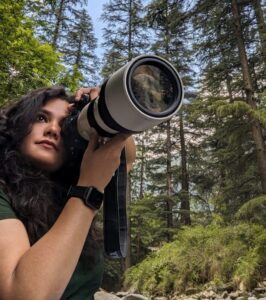 Apoorva Jadon