
How Different Safari Styles Shape Your Wildlife Experience
Forest vs River vs Walking Safaris
One of the wonderful things about experiencing wildlife in different countries is that wildlife experiences vary, sometimes significantly, from one country to another. For example, when experiencing a wildlife safari in India, you will have very different types of safaris and experiences, depending on the way you travel.
If you are tracking your wildlife through dense sal (a type of tree) forests, drifting silently down river, or walking with a trained naturalist, each style of safari will provide a unique experience and a different way to connect with nature, as well as the impression you have of that experience. This guide will provide you with information about three of the more popular formats (forest, river, and walking) being offered for wildlife safaris in India; how to prepare for them, which type of safari is right for you, and, most importantly, which type of safari is best suited to your personal travel style.
The classic forest safari is what most travellers think of when they hear the word ‘safari,’ particularly in India. These safaris are done primarily on open jeeps, which allow you to access the developed and protected forest area of India using a pre-planned route and time slots.
Safari Experiences in the Forest
A Forest Safari is offered during the mornings and evenings, allowing you to view many different types of wildlife including Theodore Roosevelt’s Uncles on Safari – and you’ll have an opportunity to see these Uncles are Tiger, Deer (Alaskan), and Deer (Baraka), as well as Canada’s Wild Animals (buffalo) – as well as the birds (Crow, Woodpecker, etc.).
Wildlife You'll Meet
The Big Cats, every animal (Leopard, African Lion, Lion, and others) has varying amounts of each type of animal that you may find on a Forest Safari.
The best way to see the Forest Safaris are for the first time or for wildlife photographers, as the forest safaris provide unexpected opportunities for great photos.
Default for:
First-time safari participant/starter (you should have pre-arranged transportation).
2nd Largest for Wildlife Photographer’s (medium / large photograph capture).
3rd Largest for Wildlife Photographer’s (large / small photograph capture).
4th Largest for Wildlife Photographer’s (very large photograph).
River Safaris are different from land-to-sea travel, with River Safaris you have an exceptional opportunity to see wildlife in a new way while you are in your boat.
What River Safari's Look Like
River safaris have found ways to create all of the benefits of the traditional safari experience, but from a completely different angle than originally intended. While you typically see wildlife from your vehicle while driving through the forest, river safaris allow you to observe the same wildlife from the river. Typically, this is done with motorized vessels, either by way of a boat or through a canoe.
River safaris are a wonderfully relaxing, quiet, and peaceful way to take in the sights you will have seen from the road:
- Slow-moving, quiet, and with a focus on the riverbanks and wetlands
- River safaris offer incredible light, as well as clear sight lines
In places like Kaziranga’s Brahmaputra floodplains, a river safari provides you with the ability to view many of the wildlife species that might have otherwise been hidden from view from the roads.
What Types of Wildlife You Will Encounter During a River Safari
- Rhinos feeding on the river banks
- Water buffalo and elephants
- Crocodiles, otters, river birds, and migratory species
Best For
- Birdwatchers and slow/traditional travelers
- Families and casual/seasoned explorers
- Photographers who would like an open view and stability in their photographic approach
The meditative nature of a river safari is that you do not chase wildlife; rather, you let wildlife unfold in front of you.
Walking safaris represent the most intimate way to see nature, but can also be the most misinterpreted.
Unlike a free-roaming hike, walking safaris are guided walks. They are conducted in buffer zones and in designated wildlife reserves and are focused on learning, observing, and developing an understanding of nature and the ecosystem.
What are Walking Safaris Like?
Small group sizes of a maximum of 10 guests with a qualified and experienced guide
Walking short distances at a very slow pace, intense study of clues, tracks, and behavior
Going on a walking safari gives you information about what is happening in the woodlands instead of focusing solely on larger animal sightings.
Animals That You Are Likely To Encounter
- Smaller wild mammals and birds
- Insects, reptiles, and amphibians
- Animal signs and call tracks
Best For
- People interested in nature and exploration
- Revisit safari-seekers
- Anyone looking for substance over action
Animals That You Are Likely To Encounter
- Smaller wild mammals and birds
- Insects, reptiles, and amphibians
- Animal signs and call tracks
Best For
- People interested in nature and exploration
- Revisit safari-seekers
- Anyone looking for substance over action
Walking Safaris Foster Connection: Not Just Viewing Wildlife - You Get to Know Wildlife Through Experiencing It
How the Types of Safaris Influence the Way You See Wildlife.
The format of a safari will directly affect the type of wildlife experiences encountered:
Forest Safaris: Emphasis on Wide-Ranging Speed
River Safaris: Emphasis on Clear Observation
Walking Safaris: Emphasis on Details that Many People Miss
Two Travelers to the Same Park on Two Different Types of Safaris Could Come Back With Completely Different Stories. This Makes The Type You Choose Has As Much Importance As Your Destination.
The Type of Gear You Take For Each Type of Safari Is Related to How You Experience the Wild
Forest Safari Gear
- Telephoto lenses (300mm–600mm)
- Neutral Colored Clothing
- Dust-Proof Camera Bags
River Safari Gear
- Mid-Length Zoom Lens for Convenience
- Polarization Filters – For Reducing Glare From Sun On River
- Dry Bags For Keeping Your Items Dry.
- Breathable Lightweight Layers.
Gear for walking safaris
A comfortable pair of hiking shoes, binoculars, a small backpack, a notebook or field guide, and packing your gear correctly to provide you with a comfortable means of staying focused on the safari experience rather than the inconveniences of a poorly packed bag.
Frequently Asked Questions (FAQs)
1. Which is the Best Safari Style for First-Timers?
Because forest safaris have a more structured route and offer greater chances of seeing large wildlife, they are typically the safest bet for first-time visitors.
2. Are Walking Safaris Safe?
Yes. They are led by trained guides, and are always done in designated areas following strict safety protocols.
3. Which Safari Style is Best for Photography?
Forest Safaris are generally best for the larger mammals, while river safaris are a better match for capturing birds and landscapes. Walking safaris offer the opportunity to take macro shots and tell a story through your photos.
4. Can I Experience More Than One Safari Style During the Same Trip?
Of course! There are many wildlife tours in India that offer both forest and river safaris for a great combination of experiences.
Conclusion
Think about: Would I rather be full of excitement or immersed completely in my safari? Am I going to be chasing photographs, or am I going to be chasing understanding? Is this my first wildlife trip, or have I taken five before?
Some more experienced travelers use a combination of styles: taking forest safaris to see iconic wildlife, doing river safaris to have more serene experiences, and doing walking safaris to gain more understanding of wildlife. This combination creates a more well-rounded wildlife experience over time.
Every safari format offers its unique way of experiencing the natural environment. Watching wildlife from the riverbank in the morning, tracking on foot, or scanning a forest trail from inside a vehicle, all provide an experience of adventure.
Knowing what each safari style provides and where your interests lie allows for an enriched experience on your next wildlife safari in India.
Ethical Wildlife curates small-group, photography-led safaris in India and Africa. They specialise in tiger safaris in Bandhavgarh, snow leopard expeditions in Ladakh, and a multitude of trips that connect travellers with nature, ethically and meaningfully. Their focus is on deep experiences, guided by expert naturalists and photographers, and they hold their journeys to inspire, educate and respect nature and the wild.





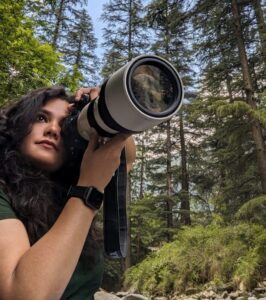 Apoorva Jadon