
Behind the Lens
A Day in the Life of a Wildlife Photographer in Kanha
Kanha National Park is located in Central India and is a photographer’s heaven on earth because of the rich foliage of sal and bamboo trees, vast expanse of meadows, and the myriad of animal species living there. Because of being able to photograph tigers in their natural surroundings, Kanha National Park has become an ideal location for checking out the types of tiger safari tours available in India. The Kanha National Park is considered one of the best in India, home to the famous Royal Bengal Tiger, and is therefore one of the most popular places for anyone who wants to photograph the Best Tiger Safari Tour in India. Kanha National Park is the place you can go if you want to have the most amazing experience of art and nature coming together for a beautiful wildlife photography experience.
The Early Morning Magic Capturing The First Light
As the sun rises, Kanha National Park comes to life with activity. With the dew covering the meadow grass and the first rays of golden sunshine kissing the thick canopy of trees, the darkness has given way to a new beginning. It is at this time of day that you should be at the park, capturing some of the best moments in wildlife photography.
Before the sun rises away from the jungle, the morning stillness is only interrupted by the sounds that fill the jungle’s airwaves. These sounds include the distant roar of a tiger, the calls of birds, and the sound of a deer crossing through the vegetation on the jungle’s trails. A Kanha tiger safari offers amazing photographic opportunities to capture tigers as they emerge from their forest habitats and walk gracefully onto the open meadows that provide great photo opportunities.
Dawn safaris in Kanha are ideal for wildlife photographers with a passion for photography, as they provide optimal lighting conditions and times of high animal activity. The soft light of the morning enhances the beauty of the surroundings and allows for more dramatic photos with minimal disruption to the wildlife being photographed.
Golden hour is the ultimate time for having a tiger photograph taken and to take photographs of tigers. The time just before sunrise and just after sunset corresponds to Golden Hour, which makes it one of the best times for tiger photography. Kanha has a large amount of open meadow and dense forest cover, which is well known and will provide an amazing backdrop for tigers being seen at these times.
Photographers can use the stunning golden light created by sunset to capture the distinct colors and textures of their subjects when photographing wildlife. Photographers are most likely to see wildlife between 7 AM and 8 AM in the park because this is when many animals awaken from night slumber and begin to be active during daytime hours.
If you sit quietly in a jeep and keep your camera ready, you could be fortunate enough to see either a tiger running at full speed through the grasslands or a female tiger playing with her young cubs in the soft morning light.
Photographers may wish to utilize the spectacular light cast by the rising sun to create images using wide-angle lenses that encompass the beautiful scenery, as well as capture the dramatic power of a tiger at rest.
The light from the rising sun creates shadows in the park and highlights the natural beauty of Kanha’s terrain. Every image captured will be unique and have artistic quality because of the unique characteristics of Kanha’s terrain.
Ethical Photography of Wildlife
A major reason why Ethical Tiger Safari is different than other companies that provide wildlife tours is that Ethical Tiger Safari’s primary concern is only the ethical treatment of the animals photographed while taking photographs of the animals.
Photographers who travel to Kanha for the purpose of photographing wildlife must ensure they do not interfere with the wildlife’s ability to live naturally by keeping their distance and not disturbing their normal activities or habitats, or the wildlife’s ability to live naturally.
When you take a tiger safari in Kanha, your guide will have a good understanding of where to locate the animals and will ensure that they are not disturbed as they go about their daily routine. As a photographer it is important that you remain patient and allow nature to reveal itself on its own time. You must also realize that you will play the role of a quiet observer; waiting for the moment when you will have the opportunity to photograph without disturbing the animals.
The Ethical Tiger Safari is not only about getting good photographs, but it is also about helping to conserve these magnificent animals and their habitats. By providing an opportunity for photographers to experience ethical tourism, you are creating awareness about the need to protect wildlife and preserve habitat through your photographs.
Why Kanha is the Ultimate Tiger Safari in India
If you are searching for the ultimate tiger safari in India, then look no further than Kanha National Park. It has one of the largest populations of tigers in India, which means you will have no trouble seeing many of these incredible cats. Additionally, the diverse landscapes within the park include large open grasslands, dense Sal forests, and many watering holes where tigers often spend time.
Kanha National Park offers a wide variety of wildlife in addition to tigers including leopards, swamp deer, gaur and wild boar. This variety gives photographers many opportunities to photograph both large cats and small animals during their safaris. The tranquility and vastness of Kanha’s wilderness allow for intimate safaris, with fewer people and more time devoted to appreciating and photographing the natural beauty of the park. Because Kanha is a very accessible national park and has maintained a safe and welcoming habitat for both wildlife and visitors, it is considered one of India’s best tiger safari locations.
Conscious wildlife travel includes a responsibility to ensure that wildlife travel activities do not have negative impacts on animals or their habitats. Photographers at Kanha National Park can be assured they are in a location that supports their commitment to conscious wildlife travel.
Ethical wildlife tours India promote tourism where both wildlife and local communities benefit from the experience. Responsible wildlife photography should involve showing respect for boundaries of wildlife, avoiding flash photography, and not harassing or disturbing animals in order to get a “better” photograph. When photographers follow these simple guidelines and approach wildlife with respect, they can take beautiful photographs without leaving behind a permanent mark on their ecosystems. In addition, ethical wildlife tours also help to secure a long-term commitment to the conservation of the region and its wildlife. By supporting ethical wildlife tours now, you can help to ensure that future generations will be able to enjoy the same beautiful, awe-inspiring experiences as you.
Frequently Asked Questions (FAQs)
Q1: What is the reason that Kanha is considered the best tiger safari in India?
Kanha is home to one of the highest densities of tigers and many different ecosystems, along with the best developed safari infrastructure. This means Kanha provides the highest level of potential tiger sightings in an array of habitats, making Kanha one of the premier wildlife photography locations in India.
Q2: What camera settings can I use when taking photos of tigers at Kanha National Park?
When photographing tigers in Kanha National Park, we recommend using the aperture priority setting on your camera (between f/5.6 and f/8) as it provides sharp images and achieves a good depth of field. To ensure you get an excellent shot of a tiger during your safari at Kanha National Park, you must also use a fast shutter speed (1/1000th) during the day (to catch the tiger moving). During the sunrise and sunset, you will need to adjust your ISO settings as per the available light.
Q3: Does one need to be a professional photographer in order to go to the safari?
There is no requirement to be a professional photographer in order to participate in the safari; the safari is open to all levels of photography experience, whether you are just starting or an advanced photographer.You will be given tips and techniques to improve your photography by your guide.
Q4: What is the best time of day for photographic shoots in Kanha?
Golden Hour is the best time to take photographs. Golden Hour occurs just after the sun rises and just before it sets. The soft light provided by the sun during these times creates dramatic shadows, enhances the beauty of the landscape, and improves all your photographs.
Q5: What do I need to bring to Kanha for a wildlife photography tour?
A DSLR or mirrorless camera with a telephoto lens (100-400mm), a sturdy tripod, additional memory cards and batteries, comfortable clothes, and insect repellent are important items to bring with you. A sun hat, sunscreen, and binoculars are additional items that you may want to consider.
Q6: How can I be respectful to wildlife when taking pictures?
Be patient and give yourself time to observe wildlife from a distance where you will not disturb them. Your naturalist will also be there to guide you on how to avoid disturbing an animal species and to help you abide by the ethical standards for wildlife photography.
Ethical Wildlife curates small-group, photography-led safaris in India and Africa. They specialise in tiger safaris in Bandhavgarh, snow leopard expeditions in Ladakh, and a multitude of trips that connect travellers with nature, ethically and meaningfully. Their focus is on deep experiences, guided by expert naturalists and photographers, and they hold their journeys to inspire, educate and respect nature and the wild.
Conclusion
Kanha is ideal for people wanting to photograph wildlife; there are many opportunities to capture tiger images, as well as those of other types of wildlife living within the park, in their natural surroundings, through ethical wildlife photography tours. Those who go on one of these tours will not only have access to the best locations for photographing tiger images in India but will also support tiger conservation efforts, as well as the preservation of their various natural surroundings. Kanha provides all visitors with an unforgettable nature experience no matter what level of photography skill or experience they possess.





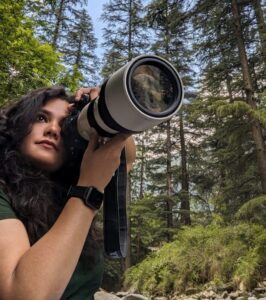 Apoorva Jadon