
Panna
The Comeback of India’s Lost Tigers
The Panna Tiger Reserve, which has become one of the most popular tiger reserve tours India, is famous not just because of its tigers but because of how far it has come. After being stripped of all its tigers, Panna was declared to be tiger-less (no tigers left). Following the extinction caused by poaching, Panna quickly became one of the best-known success stories of wildlife restoration. It took hope, science, and community involvement to restore the tigers that had been almost completely wiped out. As a result, a tour of Panna Tiger Reserve provides visitors with the opportunity not only to see wildlife but also to see the strength of conservation efforts and how deeply the forests of India are connected on an emotional level.
The Fall of Panna: When the Forest Fell Silent
By 2009, an unprecedented number of tigers had disappeared from the Panna Tiger Reserve, leaving only a hollow shell of what it once was. The disappearance of the tigers from the Panna Tiger Reserve created shockwaves throughout India’s conservation network because it raised serious questions about how it was possible for an entire population of tigers to simply disappear from such a monitored and protected area.
There were a multitude of drivers for this unprecedented event, including the existence of poaching syndicates, a lack of effective monitoring and enforcement of poaching laws, insufficient community involvement, and difficulty tracking tigers that dispersed away from the core area of the Panna Tiger Reserve.
The once loud and boisterous forests fell silent, and the silence was overwhelming.
The Extraordinary Comeback: A Case Study in Conservation
A successful example of escalation is demonstrated by the story of the Panna Tiger Reserve.
The fact that Panna is again a Tiger Landscape that is recognised globally as a model for Ethical Conservation driven by Science is why it is regarded by Wildlife Travellers looking for Ethical Tiger Tours India as a destination where their travel benefits Panna’s continued regeneration.
The physical landscapes in Panna are more dramatic compared to the dense Sal Forests of Central India as the landscapes include jagged gorge systems, dry deciduous teak forests, golden grasslands, sandstone cliffs, and the life-giving Ken River running through the Reserve. These landscapes create incredible opportunities for photographers and naturalists to view Tigers, Leopards and other wildlife in picturesque and cinematic settings.
The diversity of wildlife you may encounter in the Reserve include: Tigers, Leopards, Sloth Bears, Indian Vultures, Chinkara, Sambhar, Chital, Gharials and Marsh Crocodiles along with over 200 species of Birds. Each aspect of the Reserve contributes to a wildlife experience that is raw, untouched and alive.
The Tour Experience at the Panna Tiger Reserve
The Panna tiger reserve tour offers both educational and adventurous experiences, through its morning and afternoon safaris, as well as optional experiences of the Ken River. In addition to providing views of wildlife, Panna also provides opportunities to learn about the culture of the local villages and support the conservation efforts in the reserve.
Dramatic Landscapes of Panna: Ravines, Rivers & Unscripted Drama
The landscape of Panna is unique and breathtaking, because it includes sandstone cliffs that drop into the turquoise Ken River, golden grasslands that ripple with the wind and silence, and ravines that serve as natural amphitheaters for wildlife. This means for photographers that every wildlife sighting becomes a masterpiece. This is why many photographers who have worked with Sachin Sarbalia Wildlife refer to Panna as one of the most theatrical tiger reserves in India.
Ethical Tourism & Community-Led Conservation
Panna’s revival is community-led, as the success of the reserve has been made possible through the involvement of the local communities.
As of today, members of local communities are serving various roles such as; Forest Guard, Naturalist, Boat Driver, Eco-Tourism Host, and Vulture Conservation Partner.
When done correctly, ethical tourism provides the forest’s guardians with an increased sense of community pride and an economic source of income.
When a traveller selects to book their ethical tiger tours in India, they are supporting the full circle of conservation.
Why Ethical Tiger Tours India?
The approach of Ethical Wildlife consists of:
1) Small group size
2) Respectful distance from wildlife
3) No off-route driving
4) No talking during sightings
5) Community support
6) Education provided by a trained naturalist
7) Photography tips provided by a professional photographer, Sachin Sarbalia
This is how we want to conduct tiger tourism – ethically, and with respect to the environments we visit.
Photographing Tigers on Safari in Panna - Tips From Sachin Sarbalia
Sachin Sarbalia is an experienced naturalist and has proven to be a leader in implementing wildlife conservation efforts in the region. Some tips from Sachin Sarbalia include:
- Take advantage of the landscape by capturing the tigers through cliffs, river bends, and ravines. This creates a stronger composition.
- Wait for the right light. During sunrise and sunset, Panna will look drastically different from mid-afternoon.
- Learn the behaviour of the animals. Those who are patient will see stories being played out that others may not catch.
- Be as quiet as possible, so the forest can reveal everything it has to offer.
- Capture the full spectrum of nature, not just tigers. In addition to tigers, Panna’s vultures, raptors, and river inhabitants will give amazing photographs.
The Panna Tiger Reserve is an excellent option for a visitor looking to enhance their experience in India. Below is a guide to your trip to the Panna Tiger Reserve so that you can plan accordingly.
Best Time of Year to Visit Panna Tiger Reserve
The best times to visit the Panna Tiger Reserve are:
- October to March (Mild Temperatures, Ideal for Pictures)
- April to June (Exciting Viewing Opportunities Due to Increased Tiger Activity Because of Decreasing Water Availability)
- The Recommended Amount of Time to Spend in Panna Tiger Reserve
- The recommended amount of time to spend in the Panna Tiger Reserve is:
- 2 to 3 days for leisure travellers.
- 4 to 5 days for photo opportunities.
Getting to Panna Tiger Reserve
To get to the Panna Tiger Reserve, you can fly to Khajuraho Airport or Jabalpur, and then drive to the reserve for between 1 and 4 hours.
Many visitors combine Panna with:
- Khajuraho (a UNESCO World Heritage Site).
- Bandhavgarh National Park
- Kanha National Park
Frequently Asked Questions
- What makes Panna Tiger Reserve one of the best tiger reserve tour offers in India?
It combines rare landscapes, great conservation success, a variety of wildlife, and excellent photographic opportunities.
- Why is the Panna tiger reserve tour different from others?
The Panna tiger reserve’s history, river wetlands, valleys, and abundant opportunities to see tigers and leopards are what make it unique.
- How does ethical tourism assist Panna?
Ethical tourism provides assistance to the Panna tiger reserve by promoting sustainable tourism and supporting conservation efforts while encouraging responsible conduct in local communities.
- Are ethical tiger tours India available for novice photographers?
Yes, all participants of ethical tiger tours India at the Panna tiger reserve receive assistance from nature guides and naturalists to learn how to understand their environment, animal behaviour, and how to photograph it.
- Will I find good photographic opportunities in Panna?
Yes, the many cliffs, wetlands, and open fields of the Panna tiger reserve provide some of the best possibilities for photographing wildlife in India.
Conclusion
Panna’s story is much more than just the return of tigers. It is about perseverance, healing individuals and nature together, and what is possible when conservation, science and responsible eco-tourism work together. The Panna Tiger Reserve tour is unlike any other tiger reserve tour in India, and you will not only be able to experience wildlife, but a rebirth. With quality guides such as Sachin Sarbalia Wildlife guiding visitors, the story becomes much more than just a tour.
Ethical Wildlife curates small-group, photography-led safaris in India and Africa. They specialise in tiger safaris in Bandhavgarh, snow leopard expeditions in Ladakh, and a multitude of trips that connect travellers with nature, ethically and meaningfully. Their focus is on deep experiences, guided by expert naturalists and photographers, and they hold their journeys to inspire, educate and respect nature and the wild.





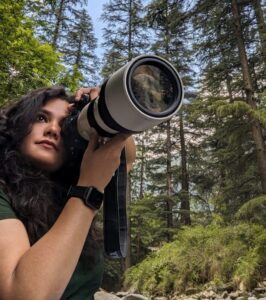 Apoorva Jadon