
Ranthambore: Where History Meets the Hunt
The Perfect Blend of Heritage and Wilderness
There’s nothing quite like the anticipation of stepping into the jungle at dawn. The crisp air, the faint calls of nightjars giving way to the chatter of parakeets, and the knowledge that somewhere close, the striped king of the forest prowls.
Once the royal hunting ground of the Maharajas of Jaipur, Ranthambore is now one of the best national parks in India to see tigers, and a unique intersection of heritage, conservation, and adventure. Whether you’re on a luxury tiger safari India, a photography-led expedition, or an intimate private tiger safari India, this park lets you tell an adventure story!
If you’d like to explore one of our curated itineraries check out our detailed Ranthambore Tiger Reserve Wildlife Safari Tour for our Ethical Wildlife designed experience.
An Introduction to Ranthambore’s Heritage
It’s 5:15 am. A knock on your lodge door indicates another wild daRanthambore’s soul is in its contrasts. At the heart of the park is the thousand-year-old Ranthambore Fort, a UNESCO World Heritage Site, that gives the park’s land access a royal aspect. Deciduous forests, comprising dhok trees, and grasslands interspersed with water bodies like Padam Talab, Rajbagh, and Malik Talab – the preferred locales of the park’s most popular demographics – lie beyond its doorstep. Here, wildlife hangs out with historical hotspots – crumbling walls, hunting pavilions, and ancient shrines, which are now home to peacocks and vines. This mix of culture and wilderness is what sets Ranthambore apart and makes this reserve a unique jewel, on any India jungle safari package.y has begun. You grab a warm cup of tea, throw a light jacket around you, and get into the jeep where your naturalist greets you with a smile.
The forest is still veiled in mist. As you enter the reserve, your guide shares how to interpret an alarm call from langurs, or how pugmarks pressed in the dust give evidence of a tiger’s last passage.
This is the impact of a guided tiger safari in India: you will not simply drive through the forest, but you will learn to read the forest.
Why Ranthambore has the Best Tiger Safari in India
- Access with Authenticity
About 160 km from Jaipur, Ranthambore is easily accessible, without losing its wilderness feel. For travelers interested in some heritage sightseeing or those wanting to blend a jungle visit with heritage, this is perfect to include in an India wildlife tour package.
- High Density of Tigers
The park offers guaranteed tiger visibility every season, making it a popular destination for those seeking the best tiger safari experience in India. Tamed tigers, such as Machali, have put the park on the map for wildlife photographers and conservationists.
- Scenic Diversity
Many reserves have similar features and have a very similar look and feel but Ranthambore is the combination of dry deciduous forest with a multitude of open meadows, craggy hills, and historic remnants.
This area provides ample chances for both large, dramatic frames as well as intimate portraits all within one safari, making your wildlife photography tours India that much more desirable.
Pro Tip: Morning drives near either Padam Talab or Rajbagh will provide you with some breathtaking reflections. But the late afternoons near Lakarda or Kachida are always best for an action-filled photo as the tigers move in and out of the light and shadows
The Perspective of Photography
Whether you are a professional photographer or an enthusiast, Ranthambore gives you a canvas of light and wildlife. The park’s open terrain, along with seasonal waterholes allows for better viewing for tigers means repeated chances to capture the storytelling image.
Tips for Photographs of Tigers
Set your camera on Aperture Priority (f/5.6–f/8) to retain a balance of sharpness and depth.
Your shutter speed should be set at 1/1000 sec or more whenever tigers are in motion.
A 100–400 mm telephoto zoom lens allows you versatility.
Use the architecture (windows, arches, ruins) to improve composition.
Do not forget about the periphery; some early morning mist or ambient glow in the forest can increase mood.
The outcome? Images that merge power with poetry.
Tips for Photographs of Tigers
A luxury tiger safari India does not have to abandon its responsibility. At Ethical Wildlife, we build our premium wildlife tours India on initiatives that are sustainable:
Lodges with renewable energy, free from plastics, collaborates with communities
Smaller groups with minimal interruption, opt for observation rather than intrusiveness
Local naturalists, and eco-certified operations, adding an educational component
This is what an ethical safari company India should aspire towards, elegance, luxury, education, and minimal impact.
Getting Ready for Your Ranthambore Safari
Ranthambore is open from October through June. If seeking richer sightings, usually February through May is best as shrinking water holes bring the tigers to view. November-January has cooler weather and lovely soft misty light, which can supply some atmosphere to your frames.
About 4 to 6 days is ideal. This gives you enough time to enjoy multiple drives at a more measured pace, while also increasing your chances of encountering the big cats.
You can obtain permits either directly from the Rajasthan Forest Department or through trusted operators. Ethical wildlife will take care of everything from permits to safaris as part of our wildlife safari packages India.
Safari Zones
Ranthambore is divided into 10 zones, each of which has its unique character:
Zones 1-5 are core tiger areas with famous ruins.
Zones 6-10 are less populated areas with excellent views and opportunities for photography.
Recognizing the difference between core and buffer zones in tiger reserves is important to set expectations and choose the zones that work for your style of safari.
What Else Can You See in Ranthambore?
After lunch and rest, it is now time for the afternoon drive. This one is special; you’re booked on a private tiger safari India.
This means:
- Your own jeep and naturalist
- Your own leisure as to how long you wait at waterholes or tracks
- You can focus on photography leisurely.
Your guide is marking fresh pugmarks leading to a dried riverbed. Within minutes, the forest has gone still (except for a langur shrieking) when a massive male tiger steps on the trail in front of you, pausing long enough for you to take a photograph that you will keep forever.
Private safaris are popular with wildlife photographers and families, as they encourage intimacy and a level of comfort that stock safaris cannot reach.
Beyond Tigers-
Leopards, sloth bears, and hyenas
Ungulates- Sambar, chital, and nilgai (blue bull)
Over 300 bird species- paradise flycatchers, indian pitta, and raptors
These species will add to the biodiversity stories you take home!
To respect the wilderness, you might incorporate:
- Minimize noise level in the vehicle
- Don’t ask for off-road requests
- Support local artisans and forest villages
- Use refillable water bottles, eco-friendly toiletries
- Follow park safety best practices
These are just a few choices that amplify conscious wildlife travel India and the integrity of your ecosystem experience.
Ranthambore as the Ethical Wildlife Experience
At Ethical Wildlife Tours India, Ranthambore is not simply a destination; from our perspective it is a living lesson in balance. Each guided tiger safari India we provide is designed to honor storytelling, respect, and education.
Visitors routinely express that their experience was life-changing — learning to see not only the tiger, but the entire forest behind its gaze and eventually behind their own gaze at the tiger. There’s every reason it seems that Ethical Wildlife India reviews consistently identify empathy, insight and ethics as the primary differentiating characteristics of our safaris.
A marathon safari isn’t a competition of ticked-off tiger sightings; it is an immersive experience. Every moment of the trip—from early morning drives in sal forest, to an evening spent languishing beneath the stars, to guided tiger safaris in India, to sumptuous luxury wildlife tours India—deepens your communion with the wild.
Or rather, for the tiger enthusiast, this is not just travel, but transformation.
Are you ready to live it for yourself? Join us for our next Tiger Marathon Safari and see how India’s wild will become the story of your lifetime.
Ethical Wildlife curates small-group, photography-led safaris in India and Africa. They specialise in tiger safaris in Bandhavgarh, snow leopard expeditions in Ladakh, and a multitude of trips that connect travellers with nature, ethically and meaningfully. Their focus is on deep experiences, guided by expert naturalists and photographers, and they hold their journeys to inspire, educate and respect nature and the wild.





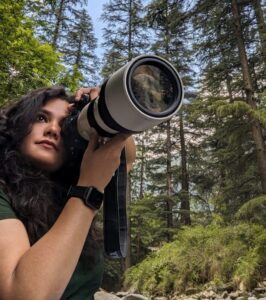 Apoorva Jadon