
Terai Arc Landscape · Uttar Pradesh · India
Dudhwa Tiger Safari
Tall sal forests, grassland wildlife and one of India’s great conservation landscapes.
Dudhwa feels different as soon as you enter the forest. Tall sal trees create long, shaded corridors. Then the ground opens into wet grassland, where deer lift their heads above the green. There is water in the landscape, birds calling in the trees and, somewhere in the cover, the possibility of a tiger.
Close to the Nepal border in Uttar Pradesh, Dudhwa is part of the Terai Arc Landscape. If you’ve already visited the better-known dry forests of central India, this is a wonderful way to experience another side of wild India.
“A wild predator moving through a landscape shaped by centuries of human history.”
More than one reserve, more than one wildlife story
The wider Dudhwa Tiger Reserve includes Dudhwa National Park as well as the Kishanpur and Katarniaghat sanctuary landscapes. They shouldn’t be treated as one interchangeable safari zone.
Dudhwa’s sal forests and grasslands are important for tigers and swamp deer. Kishanpur offers a different mosaic of woodland and more open habitat. Katarniaghat is associated with riverine wildlife, including the Girwa river system and its conservation significance for gharials and other aquatic species.
This wider landscape is also known for the reintroduction of greater one-horned rhinoceroses after they had disappeared locally. The programme began in the 1980s and remains an important chapter in the Terai’s conservation story. The animals’ management and visitor access are specific matters to confirm for any itinerary.
The safari rewards people who notice the details
Looking for tigers in tall grass is an absorbing experience. A fresh track in soft soil, a sudden sambar call or movement along a grassy edge can hold everyone’s attention. Guides who understand the Terai’s seasonal habitats can make even a quiet drive rewarding.
For photographers, there’s a wonderful range of subjects: barasingha in the grassland, birds at wetland edges, deer beneath sal trees and the possibility of predators moving through the cover. The forest rewards patient, thoughtful framing rather than simply searching for one close portrait.
It is also worth understanding that one zone’s reputation is not a booking guarantee. Wildlife moves, and different routes offer different habitats. We prefer to build a plan around the opportunities available across several drives rather than promise a particular tiger at a particular lake.
Travel insight
Ask which part of Dudhwa the itinerary actually visits. A photograph from Kishanpur or Katarniaghat doesn’t mean you’ll encounter the same habitat on a drive booked elsewhere.
Planning a Terai safari
When to go
The main visitor season generally runs from mid-November to the pre-monsoon period, subject to official announcements. Winter brings birdlife and cool conditions; spring becomes warmer and changes the vegetation.
Getting there
Lucknow and Bareilly can serve as access points, depending on the selected forest area. Overland distances and roads matter when combining different sanctuaries.
How long to stay
Allow three to four nights for one principal area; a multi-part Terai itinerary deserves longer.
Add a cultural leg
Pilibhit Tiger Reserve is a natural companion, creating a journey through two different parts of the Terai wilderness.
A different kind of tiger holiday
Dudhwa is for travellers who want more than the familiar circuit: big forests, rich birdlife, compelling conservation history and the pleasure of discovering a landscape many international visitors still overlook.
Ask Ethical Wildlife to plan a Dudhwa or Dudhwa–Pilibhit itinerary around the habitats and species you most want to experience.
Dudhwa safari FAQs
Is Dudhwa the same as Kishanpur?
No. They are related parts of the wider reserve landscape but have different access and wildlife habitats.
Can I see rhinoceroses here?
Dudhwa has a managed rhino reintroduction history. Visitor access and viewing possibilities depend on current arrangements.
Is Dudhwa suitable for birdwatching?
Absolutely. Sal woodland, grasslands and wetlands make it an appealing destination for bird enthusiasts.



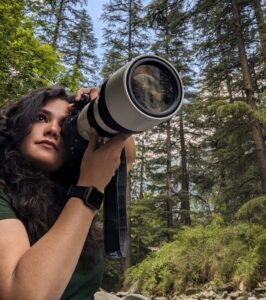 Apoorva Jadon