
Best Time for Tiger Safari in India
How Season Shapes Your Sightings
Ask ten safari veterans about the best time for tiger safari in India and you will get the same answer delivered ten different ways: it depends on what you want. The tiger does not change with the calendar, but everything around it does. Water, grass, heat, light, crowds. Each season rearranges the forest, and understanding that rearrangement is the difference between planning a trip and planning a sighting.
This guide breaks down the safari year season by season. You will learn when Indian tiger reserves are open, how sighting chances shift from October to June, what the monsoon changes, how the choice of park interacts with timing, and how to match the right window to your own priorities. By the end, you will be able to pick your dates with a clear reason behind them, not just a guess.
When are tiger reserves in India open for safaris?
Most Indian tiger reserves stay open from October to June and close their core zones for the monsoon, roughly July to September. The closure protects the forest during breeding season and keeps vehicles off tracks that the rains turn to slush.
Within that October to June window, three distinct seasons unfold: the post-monsoon months of October and November, winter from December to February, and summer from March to June. Each one changes how, where, and how often you see tigers.
There are exceptions worth knowing. Buffer zones in several reserves remain open through the monsoon, and a few parks, Tadoba among them, run access through the rains. But for planning purposes, October to June is the safari year, and the real question is where inside it your trip belongs.
What is a safari like in October and November?
The parks reopen after four months of rain, and the jungle is almost unrecognisable. Grass stands tall, waterholes are scattered everywhere, and the canopy is dense and dripping green.
For sightings, this is the hardest season. Tigers have water in every corner of their territory, so they have no reason to visit the predictable spots. The tall grass swallows them whole. A tiger can sit thirty feet from your vehicle and stay invisible.
But this is also the most beautiful the forest will look all year. Birdlife is exceptional, migratory species begin arriving, and the light after the monsoon is soft and clean. If your trip is about the jungle as a whole rather than tiger sightings alone, the post-monsoon weeks are quietly wonderful. Photographers who value mood over close-ups often prefer this window, and it is also considered the best season for wildlife photography India offers in terms of light and greenery, with vehicle numbers staying low because most travellers wait for later months.
Is winter a good time for a tiger safari?
Winter, from December to February, is the most comfortable time to be inside an Indian forest. Mornings are cold, sometimes near freezing in central India, and the afternoons are mild. Tigers are more active through the day because the heat is not pushing them into shade, which means movement can happen at any hour, not just first and last light.
Sightings improve steadily as the season progresses. The grass begins thinning, water sources start shrinking, and territorial activity picks up. Winter is also peak season for birding, with migratory species at their fullest strength, so drives stay rewarding even on quiet tiger days.
The trade-off is visibility. The forest is still relatively dense, and morning fog can shorten your effective viewing time. Two practical notes: carry proper layers, because an open Gypsy at 6 am in January is colder than most travellers expect, and book early, since the December holiday weeks are among the busiest of the year.
Why is summer considered the best season for tiger sightings?
This is the answer most people are looking for when they ask about the best time for tiger safari in India. Summer, from March to June, concentrates everything.
The logic is simple. Water sources shrink to a handful of pools and rivers. Deciduous trees drop their leaves, opening up long sightlines through the forest. Tigers must drink, and in the heat they seek water not just to drink but to cool off, often lying in pools for hours at a stretch. Guides know these spots. Vehicles wait. Sightings happen.
April and May are the peak within the peak. Daytime temperatures in central Indian parks can cross 45 degrees, and that discomfort is precisely what makes the season work. The harder the forest gets for the tiger, the more predictable its movements become for you.
If you can handle the heat, this is when the odds are most in your favour. Hydrate constantly, cover up against the sun, and treat the midday break at your lodge seriously. The forest does the same.
What happens during the monsoon months?
Core zones close from roughly July to September, but the season is not a complete blank. Buffer zones in several reserves stay open, and a few parks run limited access through the rains. Sightings in these months are unpredictable, but the forest is at its most alive: fresh green, dramatic skies, and almost no other vehicles on the tracks.
The monsoon is also when the forest resets. Tigers mate, territories shift, and cubs born in the rains begin appearing on drives the following season. The park that reopens in October is never quite the one that closed in June, which is part of what keeps returning safari-goers coming back.
For most travellers, though, the monsoon is better spent planning than travelling. Use it to research parks, compare seasons, and book the window that fits your next trip, because the best dates in the best parks fill up months ahead.
Does the best time change from park to park?
Yes, and this is the variable most timing guides skip. Season matters, but it interacts with geography.
Ranthambore’s dry deciduous terrain and open lakes offer good visibility almost year-round, which is why it forgives a winter visit more than denser parks do. Corbett behaves differently: its riverine grasslands and sal forest give the Dhikala zone a genuine winter edge. Kanha’s great meadows reward the cold months, when chital and barasingha gather in the open. Tadoba, one of the few parks accessible through the year, turns even the monsoon into an experience.
This is why the honest answer to timing is always a combination: the right season for the right park. Fix your travel window first if your dates are constrained, then choose the park that performs best in that window. If your dates are flexible, choose the park first and travel in its strongest season. Either order works; ignoring the pairing does not.
How should you choose your own safari window?
Start with your priority, because every traveller is asking a slightly different question even when the words are the same.
If sightings are the goal above all else, go between March and May and accept the heat as part of the deal. If comfort and the overall forest experience matter more, December to February gives you pleasant weather, active wildlife, and superb birding, with patience as the entry fee. If you want the jungle largely to yourself and sightings are a bonus, October to November or a monsoon buffer safari will give you a forest most visitors never see.
Then factor in the practical layer: school holidays, weekend crowds around long weekends, and how far ahead permits and lodges book in your chosen park. And whatever window you pick, remember that timing improves your odds; it never guarantees the outcome. The tiger decides. What you control is who reads the forest beside you.
FAQs
Q – Which months have the highest tiger sighting chances in India?
Ans – March to May. Shrinking water sources and open forest make tiger movement most predictable in these months.
Q – Are tiger reserves open during the monsoon?
Ans – Core zones close from roughly July to September, but buffer zones in several reserves and a few parks like Tadoba stay accessible.
Q – Is winter too cold for a tiger safari?
Ans – No, but mornings in open vehicles can be near freezing in central India. With proper layers, winter is one of the most comfortable and rewarding seasons.
Q – Does the best season differ between parks?
Ans – Yes. Parks like Ranthambore stay productive across seasons, while Corbett’s Dhikala zone and Kanha’s meadows are strongest in winter.
Q – How many drives should I plan regardless of season?
Ans – Four to six drives over two to three nights. Enough to smooth out weather and luck in any season.
Conclusion
The best time for tiger safari in India is not a single month; it is a match between season, park, and priority. Summer from March to June delivers the highest sighting odds because shrinking water and thinning forest make tigers predictable. Winter offers comfort, activity, and rich birdlife in exchange for patience. The post-monsoon months give you the forest at its most beautiful, and the monsoon itself is the reset button that makes every new season different. Layer the right park onto the right window, give yourself enough drives, and the calendar starts working for you instead of against you.
At Ethical Wildlife, we match the season to the park and the park to the traveller, so every tiger safari India journey is planned around how the forest actually behaves, not around a brochure. That is what the best time really means: the moment when the right forest, the right team, and the right conditions line up in your favour.
Ethical Wildlife curates small-group, photography-led safaris in India and Africa. They specialise in tiger safaris in Bandhavgarh, snow leopard expeditions in Ladakh, and a multitude of trips that connect travellers with nature, ethically and meaningfully. Their focus is on deep experiences, guided by expert naturalists and photographers, and they hold their journeys to inspire, educate and respect nature and the wild.





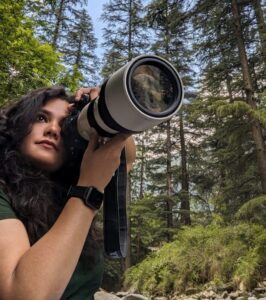 Apoorva Jadon