
Amboseli & Masai Mara Safari
Kenya’s two great stages, where Amboseli’s elephant herds cross open plains and the Mara’s lion prides rule the grass.
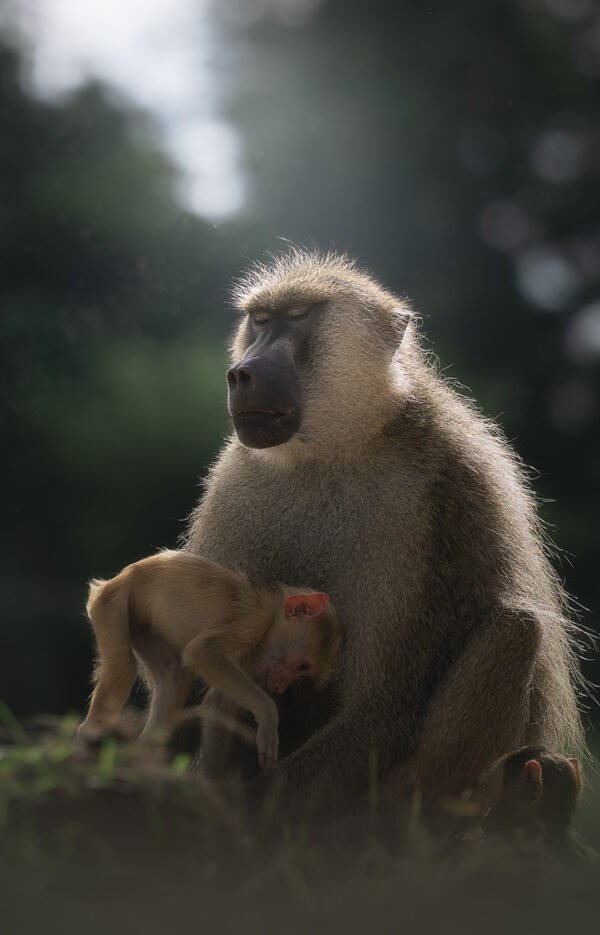
Safari Timings
The Mara rewards every season differently. July to October brings the Great Migration and its river crossings, the savannah’s most famous spectacle and its busiest window; the early months of the year offer green plains, resident big cats at full strength and far fewer vehicles, which is exactly where this expedition’s January departures sit. Days run warm and mornings genuinely cold, so layers are not a suggestion. Access is through Nairobi, with the Amboseli drive and all internal charter flights handled within the itinerary, making this logistically the smoothest journey in the international set: one long-haul flight, and Kenya does the rest.
The Safari
The rhythm here is generous. Full-day game drives with packed breakfasts and lunches replace the in-and-out gate timings of Indian reserves, so when the Mara delivers a hunt, you stay for the whole story, from the stalk to the sprint to the aftermath. Guides work in radio contact across the plains, transfers between the parks are handled within the itinerary, and evenings return you to safari camps where the day’s frames get reviewed over the fire. As guided wildlife photography tours go, this is the one built around abundance: a big cat safari where the question is rarely whether you will see the cats, but which story they will give you.
Amboseli & the Masai Mara
Every wilderness in this collection asks something of you: patience in the tall grass, silence on the river, breath at altitude. Kenya asks nothing. It simply opens. The savannah runs to the horizon in every direction, and the wildlife lives its entire life in view, which is why this landscape invented the word safari and still defines it.
The journey pairs Kenya’s two great stages. Amboseli, a four-hour drive south of Nairobi, is elephant country without equal: herds moving between swamp and dust across open plains, in numbers and at a closeness few places on earth can offer. The Masai Mara is the kingdom of big cats, the northern reach of the greater Serengeti ecosystem, where lion prides, cheetahs and leopards share the most densely watched predator country in the world. Between the two runs the land of the Maasai, whose name the Mara carries and whose cattle have shared these plains with lions for centuries, coexistence on a scale that makes it the savannah’s answer to Jawai.
Flora
The savannah looks simple and is anything but. Open grassland shifts into acacia woodland, the flat-topped trees that are the safari’s signature silhouette, while Amboseli hides a surprise at its heart: permanent swamps fed by underground springs, green all year and the engine of the park’s elephant abundance. In the Mara, the grass itself is the story, tall and gold after the rains, cropped short by the migration, always the first thing the light touches at dawn.
Fauna
Amboseli’s elephants are among the most studied on earth, matriarch-led herds crossing the dry lake beds in single file, and this is one of the last places to see the great tuskers. The Mara answers with cats: lion prides large enough to fill a frame, cheetahs hunting the open ground in daylight, leopards along the river forests, and the full supporting cast of the plains, giraffes, zebras, wildebeest, elands, hyena clans and jackals. Buffalo and black rhino complete Africa’s Big Five for those keeping the classic count, and in migration season the Mara river runs its famous gauntlet of crossings and crocodiles.
Birdlife
The savannah’s birds match its scale. Ostriches stride the open ground, secretary birds stalk snakes through the grass, and lilac-breasted rollers, arguably the most photographed bird in Africa, ignite every acacia. Above the plains, vultures and bateleurs ride the thermals in numbers India’s skies no longer hold, while Amboseli’s swamps add herons, egrets, jacanas and flamingos when the water calls them. For photographers between cat sightings, the bird list alone justifies the second camera body.
Amboseli’s Great Tuskers
- Amboseli is one of the last strongholds of the great tuskers, bull elephants whose ivory sweeps almost to the ground, a sight that has vanished from most of Africa
- Decades of protection have built a rare tolerance: herds feed calmly at close range, rewarding wide lenses as much as long ones
- The open terrain strips away the clutter, giving photographers clean sightlines and unobstructed frames that bush country rarely allows
- Full-day drives keep you with the herds through the best light instead of returning to camp at midday


 Apoorva Jadon