
Chopta Himalayan Birding Safari
The high meadows of Garhwal, where monals flush from the meadow edges and snow peaks fill the horizon behind them.
Safari Timings
Chopta runs two seasons. March to June is the breeding spring, when the monals display, the forests sing and the rhododendrons flower alongside; October to December brings the migratory movement and the year’s sharpest mountain light. Pack for cold at any time of year: warm layers, trekking shoes, rain covers for the cameras and spare batteries, which the altitude drains faster than the plains ever will. Access is via Dehradun, Haridwar or Rishikesh, with a scenic eight-hour mountain drive to Mandal, and for photographers weighing wildlife photography tours in India, this is the one that trades jeep dust for mountain air and gives back frames nothing at lower altitude can match.
Chopta
High in the Garhwal Himalaya of Uttarakhand, inside the Kedarnath Wildlife Sanctuary, Chopta is where Indian birding runs out of forest and keeps going anyway. The route here climbs from the mixed woodland of Mandal at 1,800 metres, through Chopta’s oak and rhododendron meadows, to the wind-scoured ridges near 3,600 metres, and every step of that climb belongs to a different set of birds. The region holds over 240 recorded species and carries an official Important Bird Area designation from the BNHS and BirdLife International, but the numbers undersell the experience: this is the one place in this collection where the birding comes with snow peaks on the horizon and the tallest of them close enough to touch.
The presiding spirit of these slopes is the Himalayan monal, Uttarakhand’s state bird and arguably the most spectacular pheasant on earth, a creature that looks dipped in nine kinds of metal. Chopta is one of the most reliable places in the Himalaya to find it, and finding it is the kind of memory birders build trips around.
Flora
The mountain arranges its forests in storeys. Mandal sits in mixed broadleaf woodland threaded with streams; Chopta rises through oak, maple and rhododendron that burns crimson across the slopes in spring; and above it all the trees surrender to alpine meadows, the bugyals, that run green and treeless to the ridgelines. For a birder the altitude bands are the whole game: each has its own residents, and the day’s species list reads like a record of your climb.
Fauna
These forests keep serious company. The Kedarnath sanctuary is a stronghold of the Himalayan musk deer, one of the mountain’s shyest residents, with Himalayan tahr on the crags, black bears in the oak forest, and leopards moving through all of it, rarely seen, reliably present. Yellow-throated martens are the trails’ most frequent surprise, hunting in pairs with complete indifference to human schedules. None of them are why you come, and any of them can turn an ordinary morning into the story you tell for years.
Birdlife
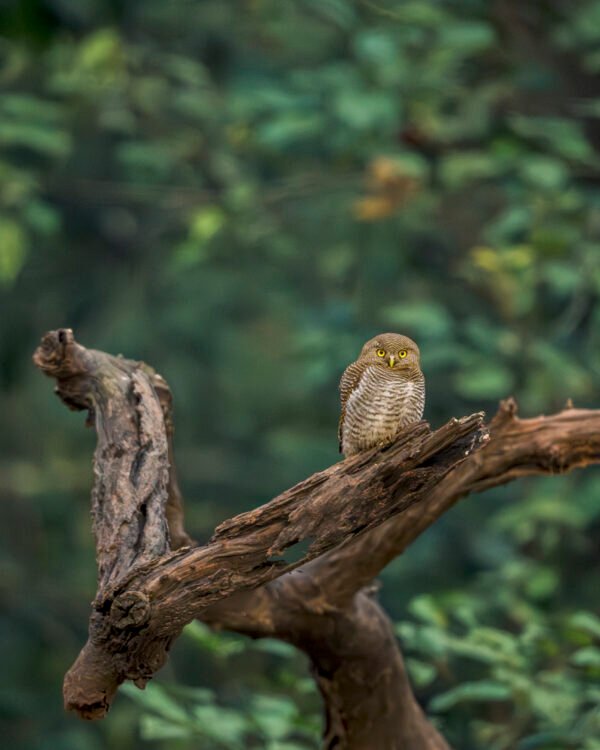
The list climbs with the road. Mandal’s woods hold verditer flycatchers, white-throated laughingthrushes, chestnut-headed tesias and Himalayan bluetails; the middle forests add Eurasian jays, grey bushchats and green-backed tits; and the high trails belong to the crown jewels: Himalayan monal flushing from the meadow edges, koklass pheasants calling at dawn, and snow partridges on the scree above the treeline. Makkumath’s village trails contribute Himalayan owls and rufous sibias, and a possible night walk brings the nocturnal list into play. Over 240 species in a week of walking, across two vertical kilometres of mountain.
The Tungnath Trail
- The route’s centrepiece is a full-day birding trek up the Tungnath trail, climbing through rhododendron and open meadow toward the highest Shiva temple in the world
- This is prime monal country: dawn on the upper trail offers the best chance in the Himalaya of watching one catch the first light
- Snow partridge and koklass pheasant hold the slopes above and below, making the walk a three-pheasant day when the mountain is generous
- Packed breakfast on the trail, peaks for company, and a birding list that reads like a field guide’s Himalayan chapter
The Safari
Days here are walked, not driven. Mornings start cold and early on the forest trails, Kanchula Karak and the Mandal woods first, then the higher circuits of Dugalbitta and Baniyakund as the route climbs, with optional hide sessions near the lodge and image reviews after dinner. The rhythm is the Himalayan one: birds in the first hours, light for photography, rest when the mountain sleeps at midday, and evenings spent working through the day’s frames with a mentor rather than alone. As ethical wildlife tours in India go, this is the gentlest possible footprint, on foot, in small numbers, on trails that were there long before birders were, and it asks moderate fitness in return: nothing technical, but the altitude is real and earns respect.




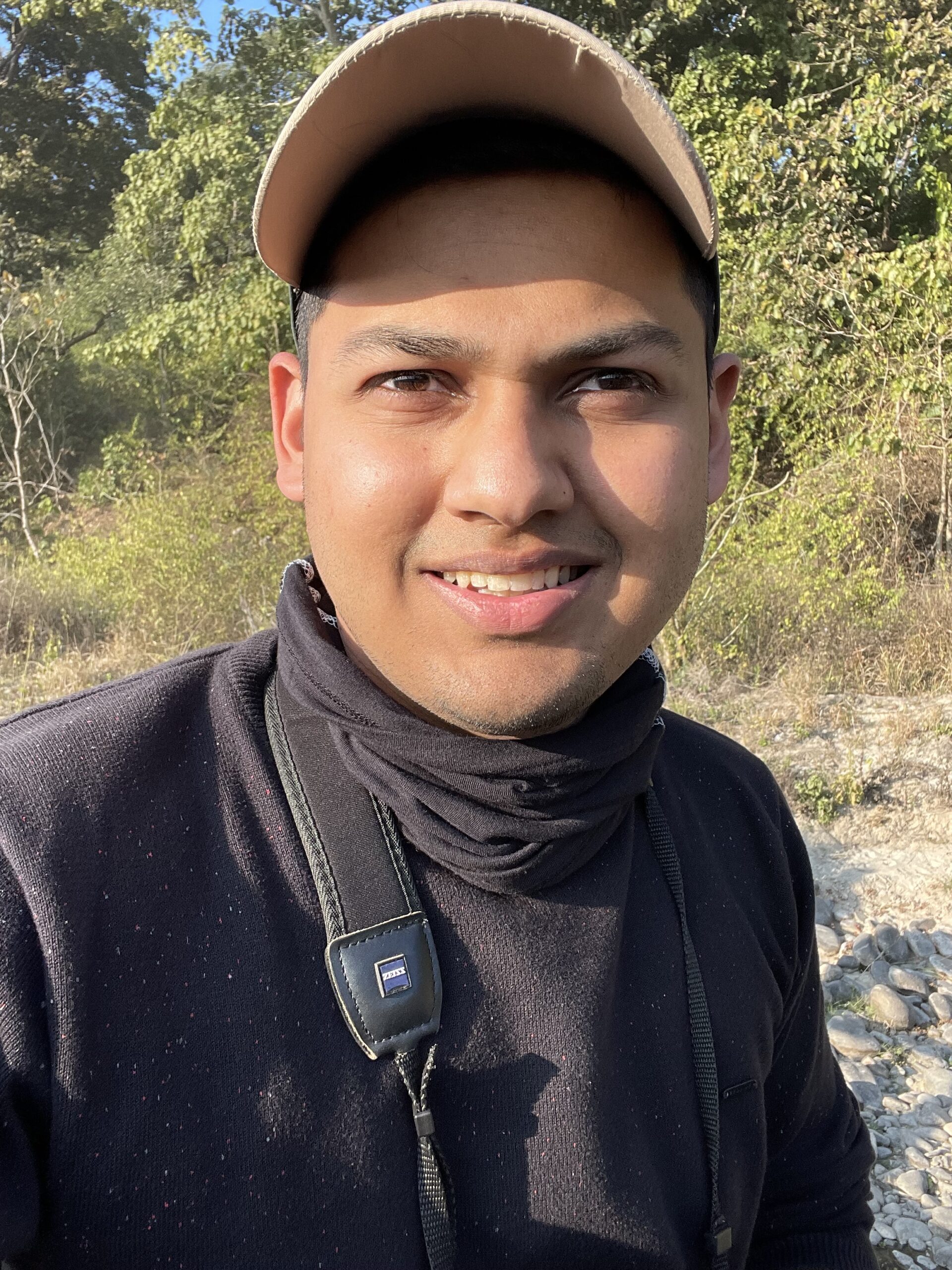
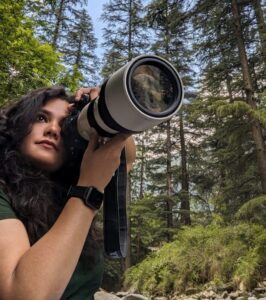 Apoorva Jadon