
Beyond Tigers
The Predator Ecosystem That Makes India Unique
Let’s be honest. Most people land in India thinking about one animal.
The tiger.
You see it in the brochures, the documentaries, the lodge walls, the conversations at dinner. It becomes the goal before the safari even begins.
And then you enter the forest.
The first morning feels quiet. A spotted deer calls somewhere in the distance. Langurs stare into thick bamboo. The guide lifts his hand and asks everyone to listen. Suddenly you realize this place is not waiting to deliver one animal to you. It’s operating on its own rules.
That’s when a true wildlife tour India starts to feel different. You begin to understand that the tiger is not the entire story. It is one chapter in something much bigger, more layered, and far more fascinating.
The Obsession With Tigers
There is nothing wrong with wanting to see a tiger. Even experienced naturalists still feel that rush when orange stripes appear between trees.
But when the safari becomes only about that one moment, everything else fades into the background. You drive past fresh leopard tracks because the update says “tiger moving.” You ignore the distant whistle of dholes because someone heard alarm calls in another zone.
A thoughtful wildlife tour India gently shifts that mindset. It slows you down. It makes you notice that tension in the forest doesn’t always belong to a tiger.
When people book a big cat safari India, they often expect a single hero. What they don’t realize is that the real drama lies in the relationships between predators, not just in one dominant species.
The Predator Pyramid: How It Actually Works
Imagine the forest as a living structure, not just a scenic backdrop.
At the bottom are grasses and insects. Above them are herds of deer, wild boar, antelope. Above them are the hunters. And not just one.
Tigers control territory. Leopards adapt around them. Dholes move like a unit, fast and focused. Sloth bears wander independently, powerful in their own unpredictable way. Raptors watch everything from above.
Each predator influences the other. If a tiger moves into a new area, leopards adjust their timing. If dholes are active, prey species react differently. It’s a chain of reactions happening quietly all the time.
On a deeper wildlife tour India, you start noticing this invisible tension. The forest feels alive with competition and balance. It stops being about a single sighting and starts feeling like you are watching a system at work.
That’s when a big cat safari India becomes more than just ticking off species.
Leopards: The Silent Strategists
Leopards do not announce themselves.
They don’t walk confidently down open tracks the way some dominant tigers do. They prefer shadows. Rocky ridges. Trees that blend perfectly with their rosette patterns.
Often, you don’t see a leopard because it doesn’t want you to.
That’s what makes spotting one so addictive.
You might be scanning a hill absentmindedly when suddenly you realize a pair of eyes has been watching you the entire time. No sound. No warning. Just presence.
On a serious wildlife tour India, a leopard sighting feels personal. It feels earned.
Many seasoned travellers quietly admit that during a big cat safari India, a clear leopard sighting can feel even more thrilling than a tiger. Not because the tiger is less impressive, but because the leopard feels like a secret shared.
Dholes: The Relentless Pack Hunters
If leopards are silent, dholes are electric.
They move differently. Restless. Coordinated. Always alert to each other. When a pack appears on a track, there’s immediate energy in the air. They don’t stroll. They glide forward with purpose.
Watching them hunt is something else entirely. It is fast, strategic, and deeply intense. No dramatic roar. Just teamwork and precision.
On a well-rounded wildlife tour India, seeing dholes reminds you that power in the forest is not only about size. It’s about cooperation.
Including reserves known for dhole activity in a big cat safari India changes the tone of the trip. It becomes more dynamic, less predictable.
Sloth Bears: Unpredictable and Powerful
Sloth bears don’t move like big cats. They shuffle, snort, dig, and seem almost distracted.
Until you realize how strong they are.
They are solitary, self-assured, and surprisingly fast when they need to be. Seeing one cross a forest track at dusk feels different from seeing a tiger. There’s a rawness to it. A sense that you’re witnessing something rarely choreographed.
On a diverse wildlife tour India, sloth bear sightings often become the stories travellers talk about later. Not because they are glamorous, but because they feel wild in the truest sense.
A broader big cat safari India that includes bear habitat adds a layer of unpredictability that keeps every drive interesting.
Raptors: The Sky’s Apex Predators
Most people look straight ahead during a safari.
But sometimes the real drama is above you.
An eagle circling silently. A hawk diving with terrifying accuracy. Raptors are predators too, just operating in a different dimension.
On a patient wildlife tour India, lifting your gaze changes everything. You start noticing how prey reacts to shadows overhead. You realize the food chain doesn’t end at the ground.
Even during a tiger-focused big cat safari India, paying attention to raptors makes the ecosystem feel complete.
Why Multi-Predator Landscapes Change the Safari Experience
When you stop obsessing over a single animal, the forest feels fuller.
Every alarm call becomes a mystery. Could be tiger. Could be leopard. Could be dholes moving quietly. The suspense multiplies.
That layered anticipation transforms a wildlife tour India into something immersive. You are no longer waiting for one star appearance. You are reading clues, watching interactions, feeling shifts in mood.
A carefully planned big cat safari India that includes predator-rich reserves gives you this complexity. It keeps you curious, not just hopeful.
Which Predator Is Hardest to See?
Leopards are often the most challenging because they are masters of blending in and adjusting their movement around dominant tigers.
Dholes can also be unpredictable because they cover large distances quickly.
Sloth bears appear without warning and disappear just as fast.
During a thoughtful wildlife tour India, the “hardest to see” often becomes the most satisfying to encounter.
Are Leopard Sightings Rarer Than Tiger?
In many popular reserves, yes.
Certain tiger territories are well monitored and frequently accessed by safari routes. Leopards, however, prefer edges, rocky outcrops, and areas that don’t always align with vehicle paths.
That’s why a big cat safari India that includes leopard-friendly landscapes increases your chances significantly.
But rarity isn’t fixed. It changes with terrain, season, and luck.
Which Parks Are Best for Multi-Predator Safaris?
Some central Indian reserves are known for strong tiger and leopard overlap. Others are famous for dhole packs or consistent sloth bear movement.
The best strategy within a wildlife tour India is choosing complementary parks rather than relying on one ecosystem alone.
When planned well, a big cat safari India becomes a journey through predator diversity, not repetition.
FAQs
Q1. Which predator is hardest to see?
Ans- Leopards are often the most elusive due to their stealth and ability to adapt around tiger territories.
Q2. Are leopard sightings rarer than tiger?
Ans- In many tiger reserves, yes. Leopards tend to avoid open tracks and remain more cautious.
Q3. Which parks are best for multi-predator safaris?
Ans- Reserves with varied terrain and strong prey density typically offer better multi-predator dynamics within a balanced wildlife tour India.
Q4. Is focusing beyond tigers worth it?
Ans- Absolutely. A broader big cat safari India reveals ecological balance and behavioural contrasts that make the forest more engaging.
Q5. Do predators compete directly in the wild?
Ans- Yes. Territory, prey availability, and survival pressures constantly shape how predators interact.
Conclusion
Tigers may be the reason many people arrive. But they are not the reason the forest survives.
India’s wilderness is extraordinary because it holds tension, balance, rivalry, and coexistence all at once. Leopards adapting in silence. Dholes coordinating like soldiers. Sloth bears moving to their own rhythm. Raptors scanning from above.
A meaningful wildlife tour India allows you to see that full structure. It encourages you to feel the ecosystem, not just photograph the headline species. And once you experience a big cat safari India that embraces the entire predator pyramid, the forest never feels one-dimensional again.
Ethical Wildlife curates small-group, photography-led safaris in India and Africa. They specialise in tiger safaris in Bandhavgarh, snow leopard expeditions in Ladakh, and a multitude of trips that connect travellers with nature, ethically and meaningfully. Their focus is on deep experiences, guided by expert naturalists and photographers, and they hold their journeys to inspire, educate and respect nature and the wild.





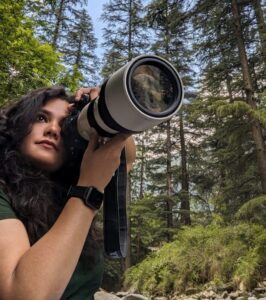 Apoorva Jadon