
What to Pack for a Tiger Safari in India
(By Season and Park)
Packing for a tiger safari in India is not a routine travel exercise. Most people only realise this after their first drive. Safaris are long, quiet, and physically still. When something feels uncomfortable, it does not fade into the background. It stays with you for hours.
What to pack for tiger safari becomes important not because of how you look, but because of how long you can remain focused. Cold mornings, dusty afternoons, and sudden temperature changes affect attention. And attention is everything on safari.
A tiger does not announce its presence. It appears briefly, often at a distance, sometimes through layers of vegetation. If you are distracted by heat, cold, or discomfort, you miss those moments.
Packing well does not make a safari exciting. It makes it possible to experience it properly.
Understanding Real Safari Conditions in India
Safari conditions in India are often misunderstood, especially by first-time travellers. Even people who have travelled widely are surprised by how raw and exposed the experience feels.
Safari vehicles are open on all sides. There are no windows, no climate control, and very little room to shift positions. Drives usually start before sunrise in the morning and continue well into daylight in the afternoon. Each drive can last three to four hours.
Dust is part of the experience, particularly in central Indian parks like Bandhavgarh, Kanha, Tadoba, and Pench. In winter, mornings can feel sharply cold, even in regions associated with heat. In summer, the sun builds steadily, and shade is limited.
Understanding what to pack for tiger safari begins with accepting that you are entering a working forest, not a curated environment.
What to Pack for a Tiger Safari in Winter (October to February)
Winter safaris are popular, but they are also where most packing mistakes happen. Many travellers assume that Indian winters are mild. On a safari vehicle at dawn, that assumption quickly falls apart.
Clothing for Winter Safaris
Layering matters more than anything else. A thermal base layer combined with a warm fleece or insulated jacket works better than heavy outerwear. The goal is to stay warm without restricting movement.
Neutral colours are strongly recommended. Earth tones such as olive, brown, beige, and dull green blend naturally into the forest. Bright colours draw attention and feel visually out of place.
Fabric choice matters. Clothes that feel soft and flexible are easier to sit in for long hours. Anything stiff, bulky, or noisy becomes distracting.
Accessories That Make a Difference
A warm cap and gloves are often the difference between enjoying a morning drive and enduring it. Open vehicles amplify cold air, especially when moving.
A scarf serves multiple purposes. It keeps the neck warm, blocks dust, and adds comfort when temperatures drop unexpectedly.
Footwear Considerations
Closed shoes with decent grip are enough. There is no walking inside tiger reserves. Comfort matters more than rugged design.
What to Pack for a Tiger Safari in Summer (March to June)
Summer is considered the peak season for tiger sightings in many parks, but it demands thoughtful packing. Heat changes how long you can stay alert.
Clothing for Summer Safaris
Lightweight, breathable fabrics work best. Cotton or moisture-wicking materials allow airflow and reduce fatigue. Long sleeves protect skin from direct sun and dust more effectively than short sleeves.
Avoid dark colours. Black and navy absorb heat and become uncomfortable quickly in open vehicles.
Carrying an extra shirt is practical. Dust and sweat build faster than most people expect.
Sun Protection Essentials
A hat or cap is essential, not optional. Sun exposure during safari hours is prolonged.
Sunglasses reduce eye strain during long periods of scanning open terrain.
Sunscreen helps, but clothing remains the most reliable protection.
Hydration plays a critical role. Always carry water, even on shorter drives.
Understanding what to pack for tiger safari in summer is about preventing discomfort before it becomes exhaustion.
What to Pack During Shoulder Seasons and Unpredictable Weather
Some travellers visit parks during shoulder months before or after peak monsoon. Conditions during these periods can shift quickly.
Clothing Choices
Quick-dry clothing is more practical than heavy cotton. Humidity makes thick fabrics uncomfortable very quickly.
A lightweight rain layer or poncho is useful even if rainfall is uncertain.
Footwear and Accessories
Shoes with reasonable grip help when roads feel damp or uneven.
Insect repellent becomes more relevant, especially near water bodies and tall grass.
Packing for these seasons is about flexibility rather than precision.
What to Pack for Wildlife Photography Tours in India
Travellers joining wildlife photography tours India have additional considerations. Comfort directly affects shooting quality.
Camera Gear Planning
Carry only what you can manage comfortably. Space inside safari vehicles is limited, and frequent lens changes are difficult.
Dust protection is essential in dry parks. It is not an optional accessory.
Extra batteries matter more than extra lenses. Cold mornings drain batteries faster than expected.
Clothing for Photography
Neutral colours reduce reflection and distraction. Layering allows quiet adjustment without sudden movement.
Fingerless gloves help during cold morning shoots.
Small but Important Items
A microfiber cloth becomes indispensable. Lenses collect dust continuously during drives.
For wildlife photography tours India, simplicity improves focus and steadiness.
What Not to Pack on a Tiger Safari
- Some items only add friction to the experience.
- Bright clothing draws attention and feels out of place.
- Strong perfumes linger in still air.
- Large backpacks take up space inside vehicles.
- Excess gadgets pull attention away from the forest.
- Understanding what to pack for tiger safari also means knowing when to stop packing.
How Packing Needs Change from Park to Park
One of the biggest mistakes travellers make is packing for a “tiger safari in India” as if every forest works the same way. It doesn’t. Each park has its own rhythm; different terrain, different weather patterns, and very different safari conditions. When packing feels frustrating or excessive, it’s usually because the gear hasn’t been matched to the park. A few small adjustments based on where you’re going can make the difference between a comfortable safari and a long, distracted drive.
Ranthambore Tiger Safari
Ranthambore feels open in a way most first-time visitors don’t expect. The forest is broken up by rocky slopes, wide tracks, lakes, and old fort ruins, which means you’re often sitting in direct sunlight for long stretches. Shade is limited, especially once the sun climbs higher. Light clothing that allows airflow works far better here than heavy layers. Sun protection becomes important very quickly; not just sunscreen, but a cap or hat that actually stays on in a moving vehicle. Thick jackets usually stay unused except on cold winter mornings, and even then, one light layer is enough.
Kanha Tiger Safari
Kanha is the opposite experience early in the morning. Winters here can be genuinely cold when the safari gates open, and the chill lingers longer in the grasslands than people expect. It’s common to start the drive wrapped up and still feel the cold on your hands and face. Warm layers matter here, especially for the first hour of the safari. By mid-morning, temperatures rise and the forest feels comfortable again, so clothes that can be easily removed and packed away are far more practical than bulky outerwear.
Bandhavgarh Tiger Safari
Bandhavgarh is where dust becomes part of the experience, particularly outside the monsoon months. Tracks are narrow, movement is constant, and fine dust gets kicked up quickly. After a couple of safaris, it’s on your clothes, your bag, and your camera. A light scarf or buff helps more than people realise, especially on longer drives. Sunglasses aren’t just for sun here; they protect your eyes from irritation. If you’re carrying camera gear, basic covers or sleeves are useful, not for rain, but simply to keep dust from settling into buttons and lenses.
Tadoba Tiger Safari
Tadoba doesn’t ease you into the day. Even early morning safaris can feel hot, and by late morning the heat becomes intense. Clothing choices matter more here than in most parks. Breathable fabrics that don’t trap heat make a noticeable difference in comfort, especially during long sightings where the vehicle stays still. Water intake needs attention — one small bottle is rarely enough. Sun protection isn’t optional in Tadoba; it’s essential. This is not the park for heavy fabrics, dark colours that absorb heat, or unnecessary layers.
Jim Corbett Jungle Safari
Jim Corbett feels different from central Indian parks right away. The air is heavier, mornings are often misty, and the forest stays cooler for longer, especially near river areas. Even outside winter, early safaris can feel damp and chilly. Light warm layers help here, particularly for the first part of the drive. Insects are more noticeable, especially near tall grass and water, so full-length clothing and insect repellent make the experience more comfortable. Shoes that handle moisture well are useful too, as the ground can feel soft or wet in places.
Packing for a tiger safari works best when you stop thinking in general terms and start thinking park by park. India’s reserves may all hold tigers, but the conditions you sit through while waiting for one to appear are very different. Matching your packing list to the landscape you’re entering makes the entire safari feel easier, calmer, and far more enjoyable.
Frequently Asked Questions (FAQs)
Q. What is the most important thing to pack for a tiger safari?
A. Comfortable, season-appropriate clothing. Physical comfort supports mental focus.
Q. Are binoculars necessary?
A. They are helpful but not mandatory. Guides often carry them, but personal binoculars enhance independent observation.
Q. Do lodges provide blankets during winter safaris?
A. Some do, but relying on personal warm layers is safer.
Q. Is camouflage clothing allowed?
A. It is generally discouraged. Neutral solid colours are preferred.
Q. How much clothing should I pack?
A. Enough for comfort, not variety. Two or three safari-ready outfits are usually sufficient.
If this is your first tiger safari, pack with restraint. Familiar clothes, reliable gear, and adaptable layers matter more than options.
Experienced safari travellers usually pack less with time, not more. Their bags reflect hours spent sitting still, watching quietly, and adjusting to the forest’s pace.
When nothing you carry distracts you, the safari feels natural.
That is when the forest begins to reveal itself.
Ethical Wildlife curates small-group, photography-led safaris in India and Africa. They specialise in tiger safaris in Bandhavgarh, snow leopard expeditions in Ladakh, and a multitude of trips that connect travellers with nature, ethically and meaningfully. Their focus is on deep experiences, guided by expert naturalists and photographers, and they hold their journeys to inspire, educate and respect nature and the wild.





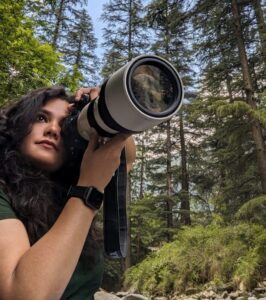 Apoorva Jadon