
Morning vs Evening Safaris
Which One Gives Better Wildlife Sightings?
People planning their first tiger safari in India almost always ask the same question.
Should we go in the morning or the evening?
It sounds like a simple choice, but once you start spending time inside Indian forests, you realise it’s not. Morning and evening safaris feel completely different. Not just in light or temperature, but in how the forest behaves, how animals move, and how sightings actually unfold.
If you are trying to understand real, practical tips for spotting tigers in the wild, this comparison matters more than most people realise. Tigers don’t follow tourist schedules. They follow heat, hunger, shade, and instinct.
And that’s where timing becomes everything.
Why Safari Timing Changes What You See
Indian forests are shaped by heat. By late morning, especially in central India, temperatures rise fast. Animals respond to that almost immediately.
Predators like tigers and leopards conserve energy. Herbivores move early, feed quickly, and then retreat into shade. By midday, forests can feel strangely empty, even though wildlife is all around you.
This is why safaris are split into two windows. Early morning and late afternoon are when the forest opens itself up.
Understanding animal movement patterns is one of the most overlooked aspects of a successful tiger safari India experience. It’s not about luck. It’s about alignment.
Morning Safaris: When the Forest Is Still Waking Up
Morning safaris usually begin before the sun has fully risen. The air is cool, sometimes cold, and the forest feels quiet in a way that doesn’t last long.
This is when guides rely heavily on tracking. Fresh pugmarks on dusty roads, disturbed grass, alarm calls from deer — all of these are easier to read early in the day.
In places like Ranthambore tiger safari, mornings often mean following fresh tiger movement near lakes and forest tracks. Tigers that have walked through open areas at night leave behind clear signs, and experienced guides know how to piece those clues together.
In Kanha tiger safari, early hours are especially rewarding. The grasslands are active, spotted deer and sambar move in herds, and tigers sometimes appear walking with purpose rather than resting. These moments feel unplanned and raw.
Jim Corbett tiger safari particularly in the Dhikala zone, offers a different rhythm. Morning drives there often reveal elephants first, moving calmly through grasslands, followed by tiger sightings near riverbanks as the mist lifts.
Morning safaris tend to feel slower and more observational. There’s time to stop, listen, and understand what’s happening rather than rushing between sightings.
For travellers interested in learning tiger tracking India techniques, mornings are invaluable.
Evening Safaris: When the Forest Starts Moving Again
Evening safaris have a different energy. The forest has already endured the heat of the day, and animals begin to stir as temperatures drop.
Light changes everything. Shadows stretch. Colours soften. The forest feels alive in a quieter, more alert way.
In Tadoba tiger safari packages, evening drives are often associated with water. Tigers, leopards, gaur, and deer gradually make their way toward streams and waterholes. Some of Tadoba’s most memorable tiger sightings happen just before sunset, when a tiger steps out to drink or cool off.
Pench jungle safari India often delivers unexpected moments in the evening. Leopards crossing roads, wild dogs appearing briefly, or a sudden burst of deer movement that signals a predator nearby.
In Bandhavgarh tiger safari, late afternoons sometimes reveal tigers resting in open patches, especially during cooler months. These sightings may not involve movement, but they allow longer viewing time.
Evening safaris can feel more dramatic. Sightings may be shorter, but they carry intensity. There’s often a sense that anything could happen in the last twenty minutes.
Temperature, Light, and Tiger Behaviour
Tigers are not random in their movement. They respond strongly to temperature.
During hot months, tigers are far more likely to move in early mornings and late evenings. In cooler seasons, activity can extend slightly longer into the day, but even then, the edges of the day remain the most productive.
Morning light makes it easier to notice subtle movement and patterns. Evening light creates silhouettes and reflections near water bodies. Both reveal different sides of tiger behaviour.
This is why asking “which is better” often misses the point. Each time window shows you a different version of the forest.
Where Morning Safaris Often Shine
Some reserves consistently reward early drives.
- Ranthambore tiger safari mornings often focus on tracking and territorial movement
- Kanha tiger reserve tour mornings bring active prey movement and hunting patterns
- Jim Corbett jungle safari mornings reveal elephants, deer, and tigers near rivers
- Panna tiger reserve tour mornings are ideal for catching predators before they retreat into rocky cover
Morning safaris are especially suited for first-time travellers, serious wildlife learners, and anyone doing guided wildlife photography tours focused on clarity and detail.
Where Evening Safaris Often Deliver
Evenings work beautifully in certain landscapes.
- Tadoba tiger safari packages are well known for evening waterhole sightings
- Pench jungle safari India often surprises with carnivore movement at dusk
- Bandhavgarh tiger safari evenings allow longer viewing of resting tigers
- Ranthambore safari booking evening slots near lakes can be very rewarding
Evening drives also suit travellers looking for a relaxed pace and those booking luxury wildlife tours India, where the experience is as much about atmosphere as sightings.
Practical Tips for Spotting Tigers in the Wild
If your goal is better tiger sightings, timing alone isn’t enough.
Pay attention to prey species. Spotted deer, sambar, and nilgai often tell you more than guides do. Sudden silence or sharp alarm calls usually mean something is moving.
Trust your guide. Experienced naturalists understand territories, seasonal behaviour, and recent movement patterns. This matters more than choosing morning or evening.
Stay patient. Many tiger sightings happen after long periods of nothing. That waiting is part of the process.
And most importantly, don’t chase sightings aggressively. Ethical safaris respect animal space. Responsible wildlife tourism India leads to better sightings over time, not fewer.
Morning vs Evening for Wildlife Photography
Morning safaris are excellent for detail. Soft light helps capture stripes, facial expressions, and movement without harsh contrast.
Evening safaris favour mood. Backlighting, reflections, and warm tones add emotional depth to images.
Most professional wildlife photography tours India include both for a reason. One gives precision. The other gives atmosphere.
So Which Safari Should You Choose?
- If you can only do one, choose based on what you value.
- Choose morning if you enjoy learning, tracking, and calm observation.
- Choose evening if you enjoy mood, light, and spontaneous encounters.
- If possible, do both. Many experienced travellers book multiple drives because no two safaris, even at the same time of day, are ever alike.
- That’s what makes a tiger safari India so addictive.
FAQs
1. Which is better for tiger sightings: morning or evening safaris?
1. Both are effective. Morning drives allow better tracking and soft light, while evening drives offer active predator and prey interactions near waterholes.
2.Are sightings guaranteed?
2. No. Safaris happen in wild forests. That unpredictability is what makes them real.
3. Are private tiger safari India options worth it?
3. Yes. Private or small group tours reduce disturbance and increase personalised tracking opportunities.
4. Can I do wildlife photography tours India in both time windows?
4. Absolutely. Morning offers clarity and details; evening adds dramatic lighting and composition variety.
5. Which reserves are best for morning vs evening drives?
5. Morning: Ranthambore, Kanha, Corbett, Panna
Evening: Tadoba, Pench, Bandhavgarh, Ranthambore waterholes
Conclusion
The best safari isn’t the one where you see the most animals. It’s the one where you understand the forest a little better than when you entered it.
Morning or evening, when you stop chasing moments and start observing patterns, wildlife reveals itself naturally.
That’s when an Indian safari truly works.
Ethical Wildlife curates small-group, photography-led safaris in India and Africa. They specialise in tiger safaris in Bandhavgarh, snow leopard expeditions in Ladakh, and a multitude of trips that connect travellers with nature, ethically and meaningfully. Their focus is on deep experiences, guided by expert naturalists and photographers, and they hold their journeys to inspire, educate and respect nature and the wild.



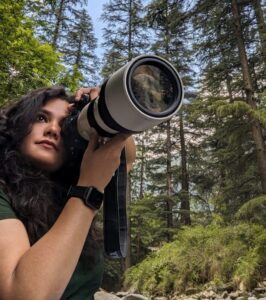 Apoorva Jadon